




In urgent scenarios, effective and prompt communication can save lives. This article explores the public safety communication technologies and frameworks that guarantee efficient critical information relay in times of crisis. Encompassing everything from devices and tools to complete emergency management systems, these innovations are essential for orchestrating responses and enhancing public safety management.
Understanding Emergency Communication Devices
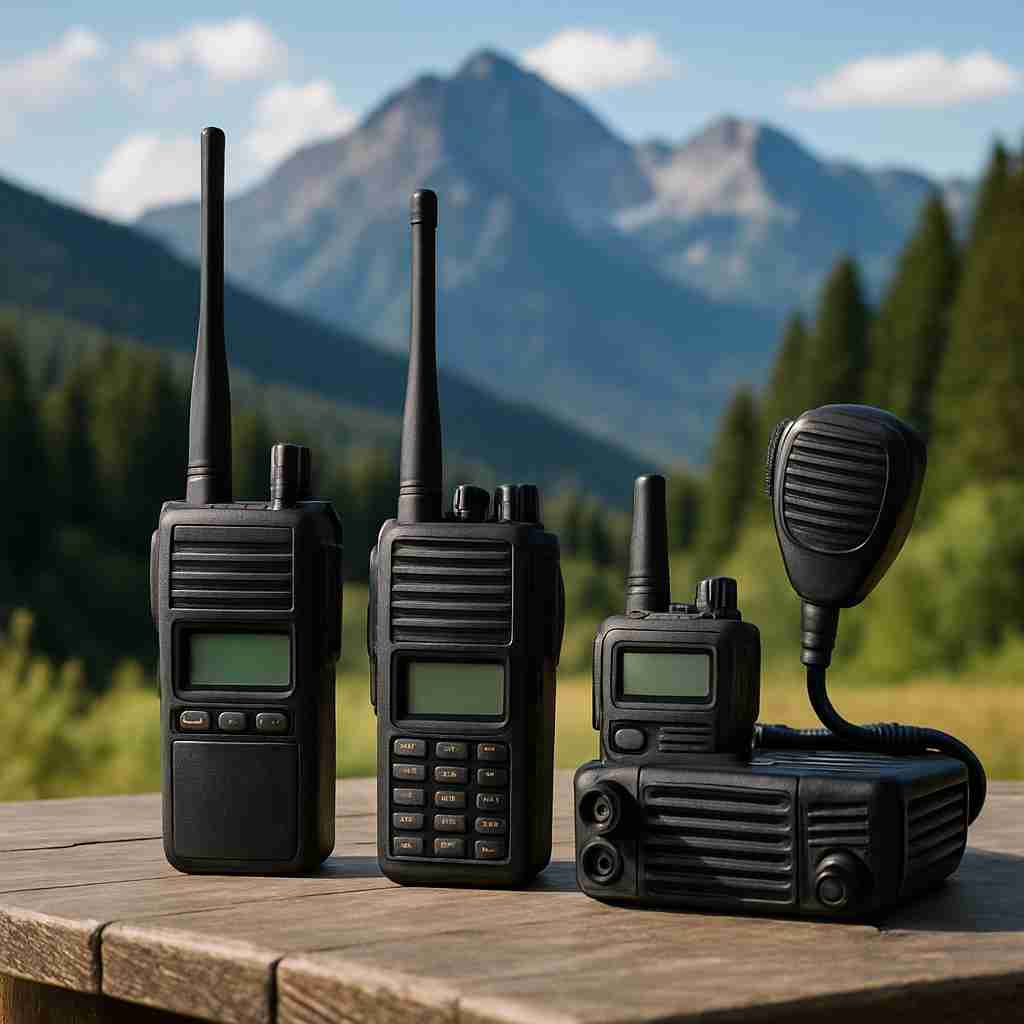
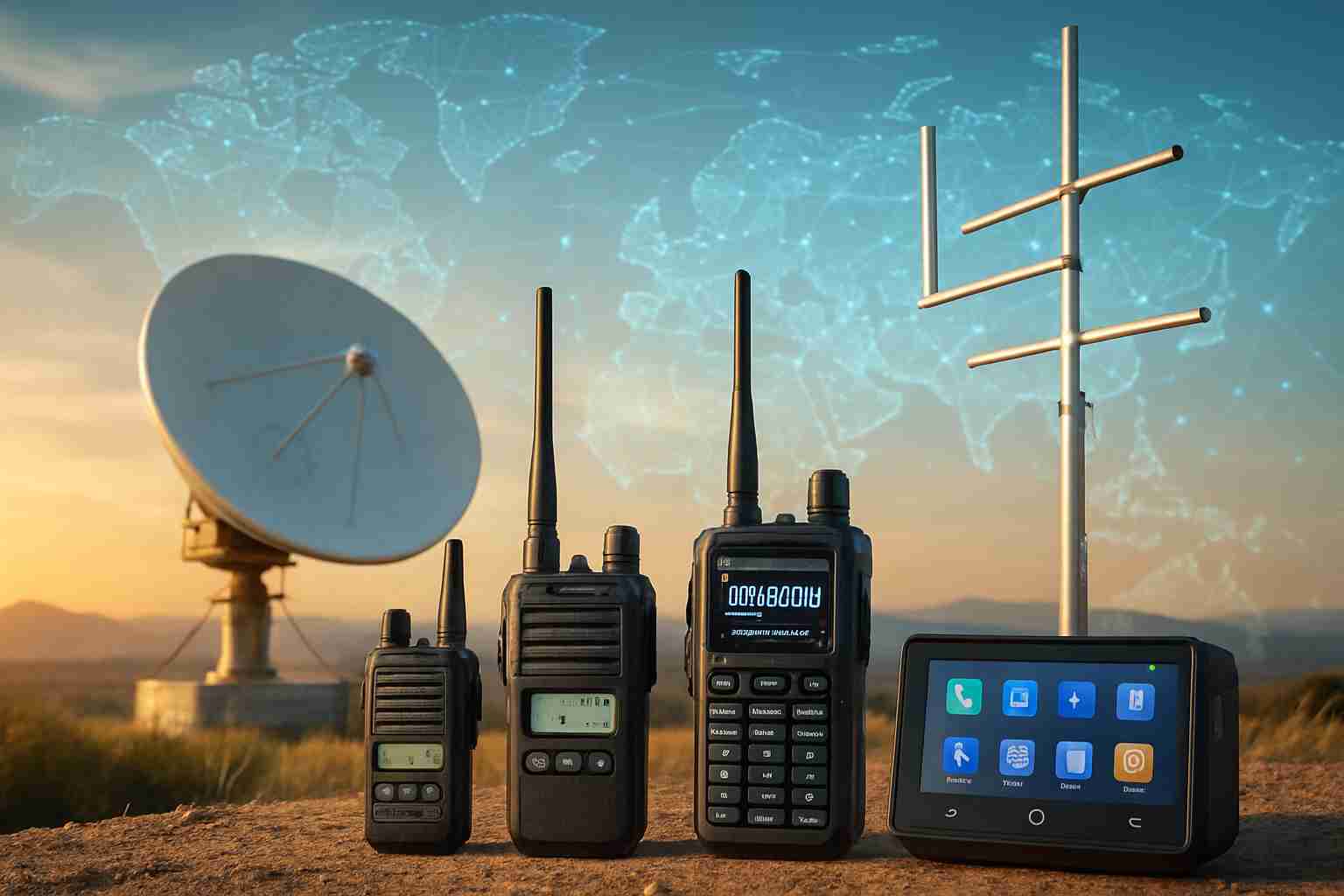
During disaster situations, emergency communication devices such as satellite comms equipment, two-way radios, and weather warning receivers are crucial for maintaining connection. When conventional networks collapse, these urgent communication tools provide a vital advantage in managing crises. Satellite communication systems are particularly notable for their global functionality, operating independently of ground-based networks—making them indispensable in isolated or heavily affected zones. Two-way wireless communication, known for its straightforward and immediate exchanges, often forms the backbone of emergency services communication, enabling fast team coordination. Their durability and extended battery duration significantly enhance their reliability in extended emergency conditions.
Meanwhile, weather notification radios deliver ongoing critical weather information, assisting preparedness with timely warnings. The development of these emergency communication devices has prioritized ruggedness to endure harsh environments without compromising dependability. Although their operational distances differ, technological progress has expanded their range, permitting clearer and less obstructed communication pathways. Together, these tools showcase technological strides dedicated to preserving connectivity, proving essential when every moment matters during disasters.
Architecting Emergency Communication Systems
Modern crisis communication platforms act as the essential connection between officials and the community, guaranteeing efficient emergency data sharing when disasters strike. These cohesive systems combine sensors, communication devices, and alerting platforms, each contributing significantly to the overall performance of the critical communication system. Environmental changes are identified by sensors, often signaling looming threats like natural catastrophes. This information then moves through a web of linked emergency communication devices, which may consist of wireless transmitters and receivers that enable both one-directional alerts and interactive radio communication.
Serving as the public interface, alerting platforms inform and connect people via multiple channels such as mobile alerts, emails, and social media broadcasts. These platforms rapidly spread vital information, offering wide coverage alongside targeted warnings to ensure recipients get timely and precise updates. More advanced setups incorporate feedback loops, which allow authorities to evaluate community responses and unfolding situations, thereby enhancing the adaptability of their tactics and deployment of resources.
Success in crisis communication depends not only on technology but also on flexibility and a fault-tolerant communication platform, maintaining functionality even when conventional networks fail. Establishing these resilient communication infrastructures equips communities to better endure emergencies, safeguarding lives and assets.
The Role of Emergency Communication Equipment
During emergencies, emergency communication devices are indispensable for maintaining connection among responders, facilitating swift action and effective collaboration. Often mounted on vehicles, mobile command centers act as portable hubs equipped with advanced communication gear, satellite networking tools, and data terminals. These fully outfitted units enable on-site decision-making, live data exchanges, and coordination with other command posts.
Handheld radios and satellite phones, as portable communication units, provide flexibility and durability in challenging conditions where conventional networks may collapse. Significant technological improvements have greatly boosted these devices, delivering longer battery endurance, enhanced range, and superior audio clarity. The incorporation of GPS tracking within these tools supports exact location monitoring, essential for guiding response efforts with precision.
Thanks to innovations, various equipment can now work together through interoperable communication systems, allowing responders with different devices to talk seamlessly. This eliminates communication breakdowns when they matter most. The combination of adaptability and robustness ensures that responders remain equipped with dependable communication tools even in difficult environments. Ongoing advancements in these emergency communication devices continue to strengthen both responder safety and operational effectiveness in critical moments.
Comprehensive Emergency Communication Solutions
A strategic approach to uniting diverse emergency communication devices within unified systems is at the heart of comprehensive emergency communication solutions. Building a robust communication network demands meticulous planning and resource management, particularly in areas susceptible to natural catastrophes. Ensuring that technology connects seamlessly is vital to enable dependable, real-time communication across various agencies and platforms. The goal isn’t merely to acquire equipment but to establish a system resilient enough to endure the stresses of real-life emergencies.
Deploying effective systems means preparing for possible interruptions and incorporating backup communication channels to sustain continuous operation. Designs that adapt offer necessary flexibility and responsiveness to situations, keeping communication channels active during challenging conditions. For instance, coastal regions at risk of hurricanes have greatly benefited from initiatives combining satellite communication systems with conventional land-based networks.
Integrating comprehensive crisis communication training courses within these programs is essential so users grasp not just technical details but also strategic uses of the technology. Case studies of success emphasize the value of a fully unified method, aligning planning, tech, and personnel synergistically to produce reliable and resilient disaster communication solutions. This foresight in implementing emergency communication devices plays a critical role in saving lives by maintaining vital connectivity during emergencies.
Innovations in Emergency Communication Technology
In the swiftly changing environment we face today, emergency communication devices are experiencing a breakthrough in technology. Among these advancements, artificial intelligence-driven emergency notification platforms shine due to their capacity to rapidly interpret crisis scenarios and send out prompt alerts. These platforms employ machine learning solutions for disaster management by examining data trends and ranking alerts, which effectively cuts down response durations. Harnessing real-time incident surveillance, they boost the precision of decision-making when seconds count.
Another revolutionary tool reshaping urgent communication tools is drone technology. Outfitted with high-definition sensors and cameras, these remotely piloted aircraft in emergency response enable quick evaluation of disaster zones. They capture and transmit vital information swiftly to emergency teams, significantly improving situational awareness. This aerial vantage point is especially critical in areas that are difficult or dangerous to access. Moreover, drones can serve as interim communication relays, restoring connections in disrupted zones.
The Internet of Things further enhances immediate crisis monitoring capabilities. By linking countless devices that continuously share data, IoT crisis communication infrastructures offer a detailed view of evolving events. This nonstop data exchange supports well-informed decisions and promotes rapid, coordinated action. The fusion of AI-driven crisis management systems, drone applications in crisis response, and IoT urgent communication networks marks a transformative step in emergency management, demonstrating their value in advancing emergency communication devices.
Conclusions
Effective crisis management relies heavily on robust crisis communication systems and frameworks. Harnessing sophisticated devices alongside comprehensive emergency management systems allows communities to significantly boost their disaster response capabilities. The continued evolution and incorporation of innovative communication strategies promise ongoing advancements, ensuring that both citizens and officials stay ready and equipped for any emergency.