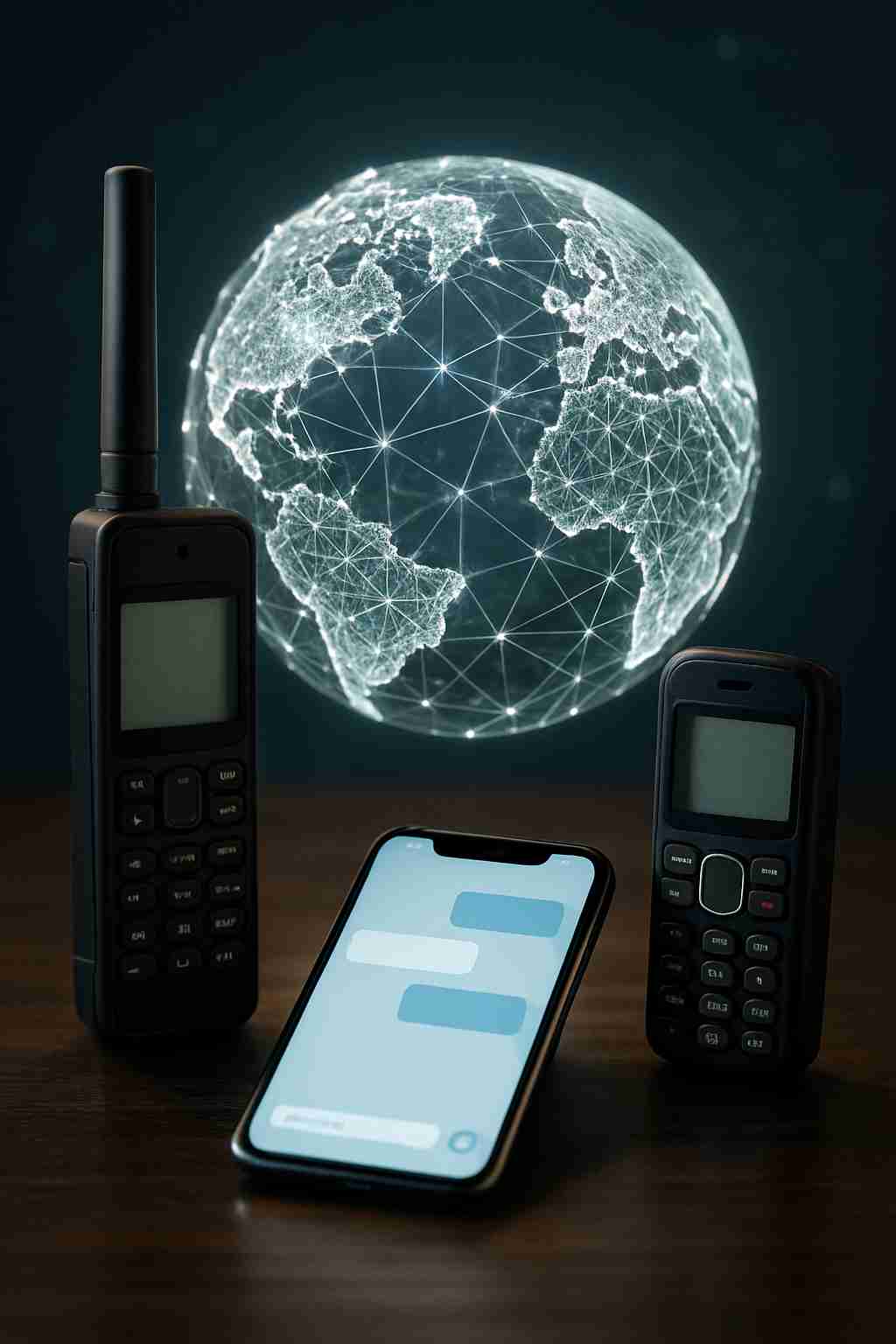


Two-way text communication devices have transformed how we interact, enabling instant message exchange between users. These devices play a vital role in everyday communication and specialized contexts, providing real-time feedback and improving connectivity. This article delves into the technology, types, and practical uses of two-way text comms devices.
The Basics of Two Way Communication
Two-way communication is a dynamic exchange where messages are sent, received, and responded to, enabling dialogue. Its key characteristic is the ability for both parties to share information, fostering an interactive environment. This differs from one-way communication, where information flows in a single direction—think a bulletin board or a radio broadcast where only one side engages in the conversation.
Feedback plays a critical role in two-way communication. It ensures that messages are not only delivered but also understood correctly. For example, in email exchanges, a reply to an initial message confirms receipt and understanding, whereas a simple unacknowledged message can lead to confusion. In telephone conversations, real-time dialogue allows for immediate clarification, making it easier for both parties to stay on the same page.
Within organizations, there’s also the concept of vertical and horizontal two-way communication. Vertical communication occurs between different levels of hierarchy. For instance, when managers provide feedback to team members or when employees raise concerns to upper management. On the other hand, horizontal communication involves peer-to-peer exchanges, fostering teamwork and collaboration. Examples here may include project updates shared among colleagues or brainstorming sessions that inspire innovative ideas.
To sum it up, the fluid nature of two-way communication empowers individuals and teams alike, ensuring clarity, engagement, and a shared understanding in various contexts. Without it, we’d face a barrage of misunderstandings and missed opportunities.
Technologies Behind Two Way Text Comms Devices
The technology that powers two-way text communication devices is fascinating and rooted in a mix of simpler concepts and advanced innovations. At the core, two-way comms rely on processes like encoding and decoding. When a message is sent, it’s encoded into a format suitable for transmission, whether it’s a short text, voice message, or other data types. The receiver’s device then decodes it, so the content is understandable again.
Components like channels play a crucial role too. These channels, which can be physical or virtual pathways, ensure messages travel from sender to receiver efficiently. Common examples include amateur radios, which use radio waves, and smartphones that tap into cellular networks or Wi-Fi. Then, there are messaging apps that utilize the internet to deliver messages instantly.
Feedback mechanisms are also integral. They allow users to confirm receipt and comprehension of messages, ensuring that communication isn’t just another one-sided affair. The choice of devices often depends on frequency bands, which determine how far and clearly messages can travel. For instance, CB radios are great for short-range communications, while amateur radios can reach far greater distances.
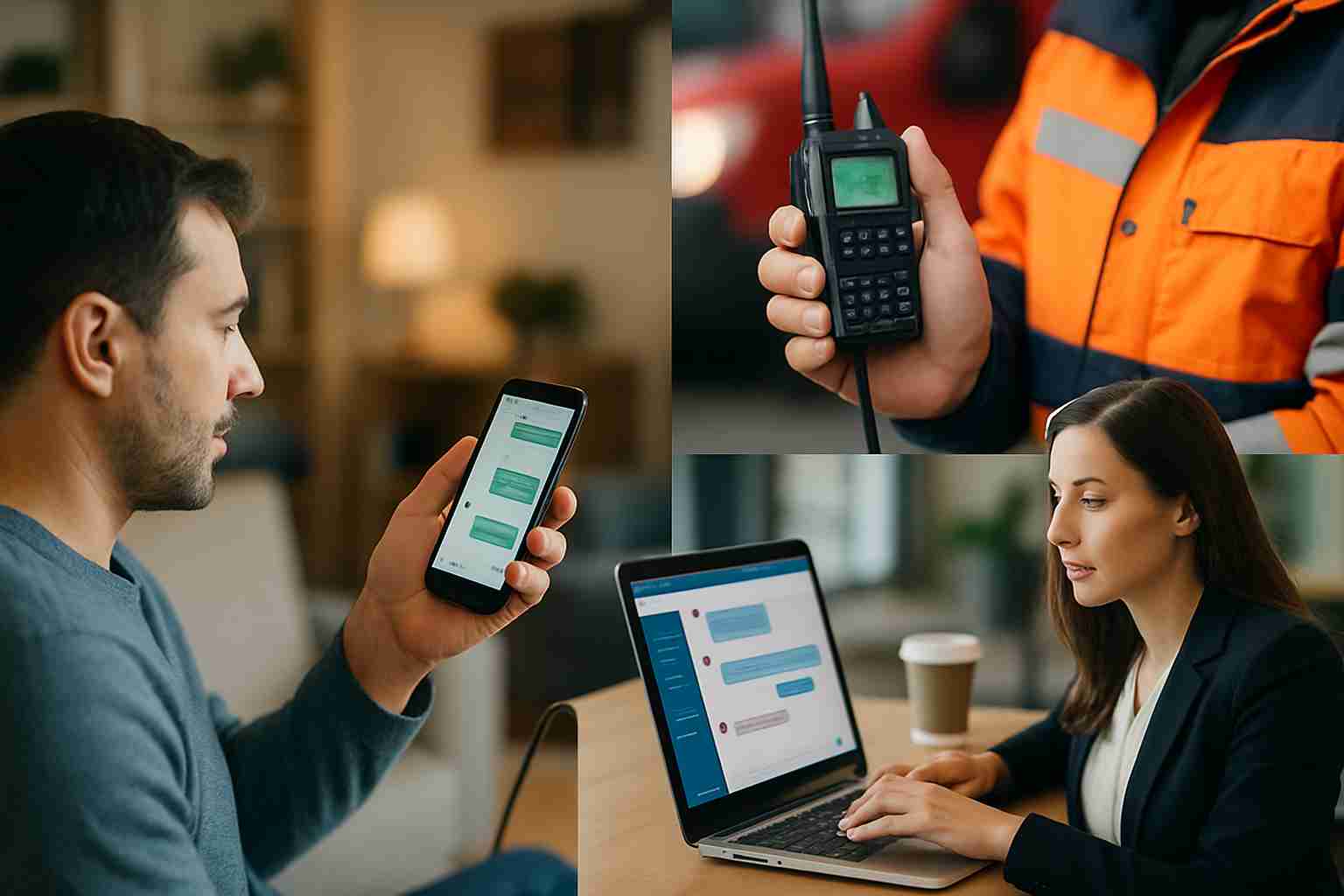
Costs and user needs are essential in these decisions too. A casual user might prefer texting on a smartphone, while an emergency responder may lean toward amateur radios for reliability. Ultimately, compatibility across components ensures that whatever system you choose, effective communication remains the priority.
Applications and Uses of Two Way Text Comms Devices
Two-way text communication devices have found their way into a myriad of aspects of everyday life, making them invaluable tools in both personal and professional arenas. Have you ever considered how essential these devices can be in times of crisis? In disaster response situations, amateur radios and similar two-way communication tools become lifelines. They can operate even when traditional networks go down, ensuring speedy exchanges of vital information. Imagine rescuers communicating in real-time, coordinating their efforts to save lives while navigating through challenging and chaotic environments.
In professional settings, team coordination relies heavily on effective communication. Whether in a large corporation or a small startup, tools like instant messaging and chat apps allow teams to collaborate seamlessly, share updates, and tackle challenges head-on. Real-time interactions foster a sense of connectivity that boosts morale and productivity. Don’t you find it invaluable to have immediate feedback or quick clarification on tasks?
On a more personal level, think about how two-way text comms devices have reshaped our casual communications. The way we stay in touch with friends and family through instant messaging and chatrooms enhances our social connectivity, making it easy to share thoughts or urgent news anytime, anywhere.
In essence, two-way text communication devices bridge gaps between efficiency, safety, and connectivity, enriching our lives in ways that often go unnoticed. They aren’t just gadgets; they’re essential tools fostering real-time interaction in various contexts, whether for life-saving responses, effective teamwork, or personal connections.
Future Trends and Challenges in Two Way Text Communication
As we look ahead, the landscape of two-way text communication devices is poised for significant shifts, driven by both technological advancements and the evolving needs of users. One of the most exciting developments is the integration of artificial intelligence. Imagine your communication device not just facilitating conversations but also anticipating your needs, tailoring responses, and even managing routine tasks. This could enhance personal and professional interactions, making communication more fluid and effective.
Another area experiencing rapid growth is encryption technology. With privacy becoming a primary concern in our digital lives, enhancing security features is paramount. The advent of improved encryption methods within two-way text communication can ensure that messages stay confidential, safeguarding sensitive information and fostering trust in both personal and organizational settings.
However, with these advancements come noticeable challenges. Network reliability remains a significant hurdle, particularly in remote areas or during emergencies. What good is an advanced device if it’s not dependable when you need it most? Additionally, user privacy concerns can’t be overlooked. Striking a balance between personalized communication and the protection of personal data will be crucial.
Lastly, inclusivity in technology design is essential. To ensure everyone benefits from two-way text communication, developers must prioritize accessibility features. After all, effective communication should be a universal experience, not just for the tech-savvy. As we explore these trends, we must also remain vigilant about potential pitfalls, ensuring that as we advance, we don’t leave anyone behind.
Conclusions
Two-way text communication devices are essential tools for seamless and interactive communication across multiple contexts. By facilitating immediate feedback and enabling a continuous exchange of information, these devices improve understanding and coordination. As technology evolves, embracing innovation and overcoming challenges will ensure these communication tools remain effective and inclusive for everyone.