




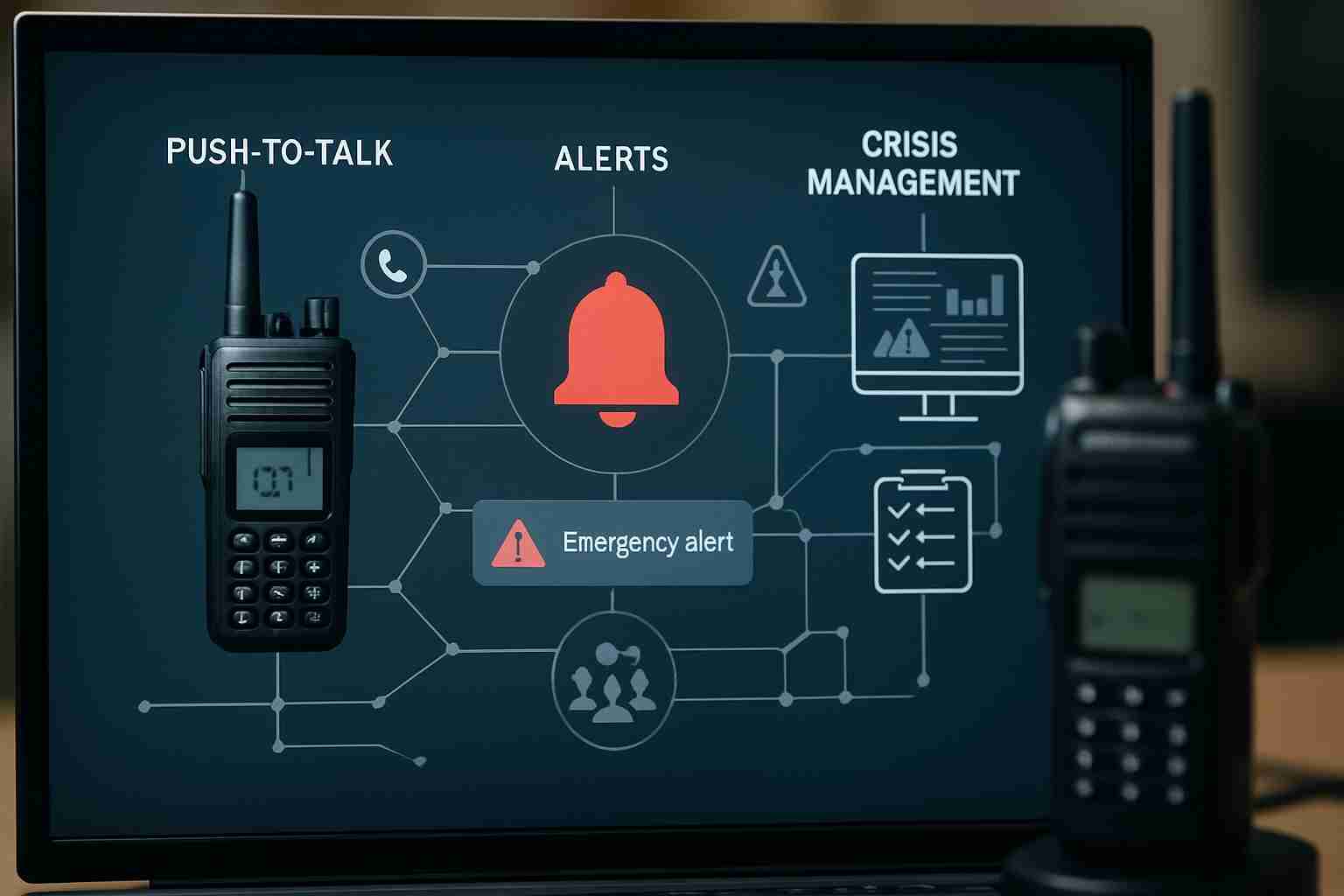
When situations become critical, having effective communication is essential. From alerting platforms to mass notification systems, modern emergency communication systems are vital for guaranteeing prompt response and safety. This article explores various technologies and tools that support disaster communication solutions, aiming to enable uninterrupted information exchange during urgent events.
The Backbone of Emergency Responses
Modern crisis communication systems are crucial in managing emergencies, serving as the foundation for swift and efficient response efforts. By combining numerous technologies, these platforms enable prompt communication among emergency response teams, governmental bodies, and the public. Over time, they have undergone substantial development, evolving alongside technological progress and changing societal demands.
A vital purpose of emergency communication tools lies in guaranteeing the prompt spread of information. This is essential because rapid alerts can save lives and lessen the consequences of disasters. The underlying technology encompasses everything from legacy landlines and radio systems to advanced satellite and internet-based platforms. Recent innovations include computer-driven platforms that support both one-way notifications and interactive communication, thereby improving engagement during crises.
The U.S. Emergency Alert System (EAS) exemplifies the success of these critical communication infrastructure elements. Jointly managed by FEMA, the FCC, and the National Weather Service, it is structured to enable the President to reach Americans within 10 minutes during nationwide emergencies. Besides, it issues alerts about weather hazards and other pressing threats at state and local levels. Its importance is evident in its ability to transmit messages via multiple channels, including TV, radio, and increasingly, mobile devices through the Wireless Emergency Alerts (WEA) program.
Advances in technology have significantly influenced public safety and emergency management. Integration with digital communication channels like email, SMS, and smartphone apps now supplements traditional media, broadening the reach and speed of message delivery. These systems are integral in warning communities about imminent dangers, facilitating evacuations, and orchestrating rescue missions.
Furthermore, the rise of internet and mobile tech has paved the way for platforms enabling two-way communication. Such reciprocal emergency communication devices are invaluable during emergencies, permitting authorities not only to dispatch alerts but also to gather instantaneous feedback from the public. This interaction aids in refining response tactics and resolving emerging challenges more effectively.
On a global scale, emergency communication systems have been lifesaving. Japan’s J-Alert mechanism alerts residents to natural disasters like tsunamis and earthquakes, while Australia’s Emergency Alert system informs citizens about bushfires, floods, and other crises via SMS and landlines.
These demonstrations highlight the profound influence of evolving emergency communication tools on crisis situations. They not only boost the effectiveness of emergency responses but also play a fundamental role in fostering public trust. As technology advances, it remains critical that these systems evolve to maintain a communication infrastructure that is resilient, dependable, and all-encompassing.
Mass Notification Systems: Reaching the Masses
Mass notification systems serve as essential elements in today’s emergency communication technology landscape, expertly crafted to deliver urgent updates rapidly to extensive groups. Distinguished by their multi-channel strategy, these platforms employ SMS, email, social media, and mobile apps to penetrate different layers of the population. The value of these emergency alert systems lies in their capacity to broadcast life-saving alerts and directions within seconds, making them vital in managing emergencies.
By capitalizing on technological progress, such large-scale messaging solutions rely on sturdy infrastructures emphasizing speed, dependability, and coverage. Frequently, they merge with advanced emergency communication technology to form a unified approach that maximizes both reach and impact. For example, many incorporate geofencing capabilities to direct communications to targeted zones, ensuring affected communities get accurate, pertinent information without causing undue concern in unaffected areas. This pinpoint messaging ability is key to preventing panic and optimizing emergency resource allocation.
The practical uses of mass notification systems are diverse and numerous, showcasing their flexibility across various situations. Whether alerting residents to evacuate during hurricanes or wildfires, these systems play a critical role in saving lives. Additionally, during public health emergencies such as pandemics, they become indispensable in relaying guidelines and updates. Schools also rely on these platforms to rapidly notify parents and students about closures or security issues.
For optimal operation, mass notification systems must exhibit resilience and flexibility. They typically include redundancies like backup servers and multiple communication channels to maintain functionality even if local networks fail. By connecting with a range of telecom providers and platforms, they ensure at least one communication path remains accessible without delay.
Operating as a part of a broader emergency response framework, these systems complement other technologies, including emergency communication technology, enhancing communication layers and coordination efforts. Paired with crisis communication software, they provide a seamless combination of fast mass dissemination and tailored messaging for stakeholders requiring detailed instructions.
Maintaining public safety through these systems demands frequent testing and updates. Emergency teams should regularly conduct drills and simulations to evaluate readiness and identify issues proactively. Furthermore, advancing in today’s digital era involves integrating cutting-edge innovations such as artificial intelligence and machine learning, which improve alert accuracy and personalization.
These mass communication platforms emphasize that, in a world where every second counts, information isn’t merely power—it’s vital for survival. As they continue to evolve, the challenge remains to enhance their reach and responsiveness without compromising the public’s trust. This trust is foundational to clear, consistent communication that informs effectively without causing unnecessary alarm, ensuring communities not only receive but comprehend and act on the messages.
Crisis Communication Software: Managing Information Flow
During emergencies, the capacity to communicate promptly and precisely often distinguishes chaos from order. Whereas mass notification platforms focus on broadcasting alerts to broad and varied audiences, crisis communication software fulfills a vital yet separate purpose by preserving organized communication channels throughout critical events. Its function extends beyond merely dispatching messages; it effectively oversees the flow of information to curb misinformation and uphold confidence.
Designed to aid organizations, crisis communication software offers streamlined communication workflows essential for coordinated incident management. It proves particularly beneficial in crafting and executing thorough crisis communication plans. These strategies are key to guaranteeing message consistency and accuracy, thereby supporting public trust and alleviating anxiety in stressful moments. The system’s live crisis communication features enable entities to swiftly address issues, deliver timely and precise information, and adjust messaging dynamically as situations develop.
Among its primary attributes are real-time collaboration tools that promote efficient teamwork across various departments and agencies. This cooperative method ensures all stakeholders share a common understanding and can promptly react to unforeseen changes. By fostering unified coordination, these features help close communication gaps that might otherwise cause errors or delays.
Strategic planning modules also form a fundamental part of these solutions. They empower organizations to anticipate diverse scenarios by simulating potential crises and preparing strategic responses in advance. This forward-thinking approach means organizations enter real crises well-prepared, having rehearsed similar circumstances in controlled settings. Such preparedness shortens response times and equips teams with refined, tested strategies from the outset.
Accuracy remains paramount during crises, and this software supports the dissemination of timely and reliable information. Through integration with existing platforms, these communication solutions extract verified data sources, ensuring all parties receive clear, updated information. This interconnectivity is crucial for aligning internal teams while keeping external audiences well-informed. Additionally, the inclusion of analytics tools monitors the success of communication efforts, facilitating necessary adjustments to enhance results.
Beyond internal collaboration, crisis communication software preserves public trust by halting misinformation spread. In today’s digital era, where rumors rapidly circulate, issuing confirmed and authoritative messages is critical. These systems promote transparent communication led by trusted authorities, reducing panic and encouraging informed decisions among the public.
Ultimately, when integrated with emergency communication tools and infrastructures, crisis communication software becomes an indispensable element of modern emergency management strategies. Its influence in plan development, collaboration enhancement, and ensuring accurate information flow is profound. This suite of capabilities not only secures operational effectiveness but also protects the trust relationship between organizations and the communities they assist in moments of crisis. As a vital piece of a broader communication ecosystem— which includes tools like emergency communication tools and mass notification platforms—crisis communication software guarantees communication that is strong, dependable, and resilient.
The Role of Push-to-Talk Devices
Push-to-talk devices are essential in emergency response scenarios, offering dependable and immediate communication channels similar to classic two-way radios. Their importance is especially clear when rapid coordination and quick decisions are necessary. These devices allow teams to exchange information with unmatched speed and precision, which is crucial when time is of the essence.
At the heart of push-to-talk devices lies the half-duplex communication line. This system lets users alternate between transmitting and receiving messages, ensuring only one person speaks at a moment and minimizing miscommunication risks. Such a setup guarantees messages remain clear and continuous, a vital feature amid the noise commonly present during crises.
Another notable benefit of push-to-talk devices is their adaptability. Built to work efficiently across various environments, whether in urban areas, isolated locations, or inside buildings with thick walls that often block signals, their versatility enhances effectiveness. Whether managing a natural calamity in a rural region or handling a security event in a city, these devices prove reliable and functional.
One major advantage of push-to-talk devices in disaster recovery communication and incident management is their ability to provide straightforward communication. While many modern systems lean heavily on internet-based platforms, the straightforward nature of push-to-talk solutions ensures teams can stay connected without relying on complex infrastructure. Whether coordinating rescue operations or overseeing the aftermath of an event, these devices foster the collaboration necessary for success.
Furthermore, these devices seamlessly integrate with contemporary emergency communication tools, boosting their capabilities. Advanced models feature GPS tracking and digital integration for logging and reporting. These additions help streamline responses, supporting well-organized and documented efforts vital for both immediate action and later review.
The resilience of push-to-talk devices to maintain service when other networks fail is among their most critical strengths. In situations where cellular towers are down or internet access is lost, these devices keep communication lines open. This redundancy is not only advantageous but often crucial in keeping emergency teams connected and informed.
The contribution of these devices to facilitating efficient communication is immense. They enable rapid information sharing among teams, which is key to handling the fast-changing nature of emergencies. By ensuring everyone stays informed simultaneously, push-to-talk devices promote unified and coordinated responses, reducing confusion and improving overall effectiveness.
Integrating push-to-talk devices within emergency response frameworks reflects a forward-thinking strategy for crisis management. Their ongoing advancement alongside other modern emergency communication tools expands their capabilities, addressing the growing demands of incident management. As innovation continues, these devices are sure to remain integral in ensuring safety and coordination during emergencies. Their reliability and flexibility solidify their role as a fundamental element in any advanced emergency management and response approach.
Emergency Alerting Platforms: Ensuring Awareness
Emergency alerting platforms are essential in safeguarding communities during emergencies by delivering prompt and precise information. By harnessing advanced digital technologies, these platforms can quickly broadcast alerts through multiple channels, guaranteeing that both the public and first responders obtain crucial details needed to act effectively.
Among the leading examples of these mechanisms is the Wireless Alert Notification System in the United States, which showcases how national and local alerts are synchronized through such platforms. Without accessing phone numbers, this Mobile Emergency Alert Service sends concise urgent messages to every mobile device within a defined area, allowing alerts to reach extensive audiences almost instantly.
The strength of crisis notification platforms lies in their capacity to transmit warnings via various forms of communication, including SMS, emails, social media posts, and occasionally through radio and television broadcasts. Employing this multi-channel strategy greatly increases the likelihood of rapid information delivery, helping reduce the severity of incidents.
A vital characteristic of high-performing emergency notification solutions is their emphasis on both rapidity and reliability. The difference between security and jeopardy could hinge on a moment’s delay, hence these systems are engineered to function optimally even under stress. Moreover, maintaining accuracy is crucial to avoid spreading false or ambiguous information, which might either incite undue panic or diminish responsiveness to future alerts.
Emergency notification solutions face obstacles such as technological constraints, the need for seamless interoperability across diverse devices, and overcoming linguistic diversity. Continuous updates and maintenance are necessary to ensure compatibility with all emergency signaling devices, ranging from smartphones to computers. Furthermore, alerts should be crafted comprehensibly to accommodate various language speakers and accessibility needs.
Best practices in the deployment of alerts involve frequent technological upgrades and rigorous testing procedures. Verifying system readiness prior to incidents and incorporating multilingual disaster warnings significantly improve platform efficiency. Additionally, gathering public input after each alert helps refine future notifications, enhancing both precision and effectiveness.
The rapid evolution of technology-based emergency communication services has propelled emergency response communication to new heights, adeptly addressing the diverse demands of populations during crises. These systems represent more than just technical progress; they embody a dedication by authorities and organizations to protect lives through innovation and preparedness.
In an increasingly connected world, the advancement of global emergency communication infrastructures remains critical. Innovations in this field enable smooth coordination between national directives and local emergency efforts, forming a foundation for more unified and effective crisis responses. As technology progresses, these indispensable platforms will continue to enhance their capacity to shield communities worldwide through faster and more accurate alerts, progressively moving closer to the goal of minimizing harm and maximizing readiness.
Incident Management Tools: Streamlining Crisis Response
Incident management platforms play an essential role in facilitating efficient responses during emergencies. By improving preparedness, response, and recovery stages, these advanced systems help organizations handle critical situations more effectively.
To begin with, incorporating these emergency communication tools within current communication frameworks provides organizations with live crisis messaging capabilities. This immediate access to incident details allows leaders to rapidly understand the scenario, thereby enhancing their situational awareness. Such prompt incident reporting is vital for making swift and well-informed decisions, especially amid the confusion that marks the onset of a crisis.
Another key advantage of these platforms lies in optimized resource management. Efficiently deploying and monitoring assets like personnel, equipment, and supplies during a crisis is critical. Incident management solutions enable organizations to allocate these resources appropriately and promptly, minimizing waste and boosting response effectiveness.
Furthermore, these tools facilitate seamless multi-organization management by supporting collaboration between various agencies. In many emergencies, multiple parties must work in tandem. These platforms offer a centralized space for sharing information and coordinating efforts, which prevents duplication and fosters a unified crisis management approach. For example, during natural disasters, smooth interagency integration can be the deciding factor between a disjointed response and a highly coordinated operation that saves valuable time.
Incident management systems are designed to meet diverse sector-specific requirements. In healthcare, they assist in controlling patient influx post-disaster by optimizing care flow and resource allocation to save lives. Industrial environments use them to monitor equipment condition and ensure staff safety compliance even under stressful conditions. Educational institutions adopt these solutions to boost campus security by linking with existing safety frameworks, enabling threat detection and coordinated incident responses.
The wide-ranging uses of incident management tools demonstrate their versatility across industries. They not only support readiness through drills and simulations but also enhance reaction and recovery by keeping precise records of incidents and responses. This accumulated data is invaluable for post-incident reviews and refining future emergency strategies.
In summary, emergency communication tools revolutionize how crises are handled by making responses more structured, efficient, and effective. As technology progresses, these platforms keep advancing by integrating AI and sophisticated analytics to predict outcomes and better allocate resources. Consequently, incident management systems remain dynamic, constantly evolving to address the complexities of modern emergency scenarios.
Conclusions
From organization-wide communication tools to incident management platforms, modern crisis communication systems play a vital role during emergencies. These solutions facilitate prompt alerts, seamless communication, and efficient incident handling. By investing in a strong emergency communications network and combining various technologies, we enhance our collective capacity to respond effectively, thus protecting both lives and assets. As these disaster communication solutions advance, they continue to be essential elements in our safety protocols.