




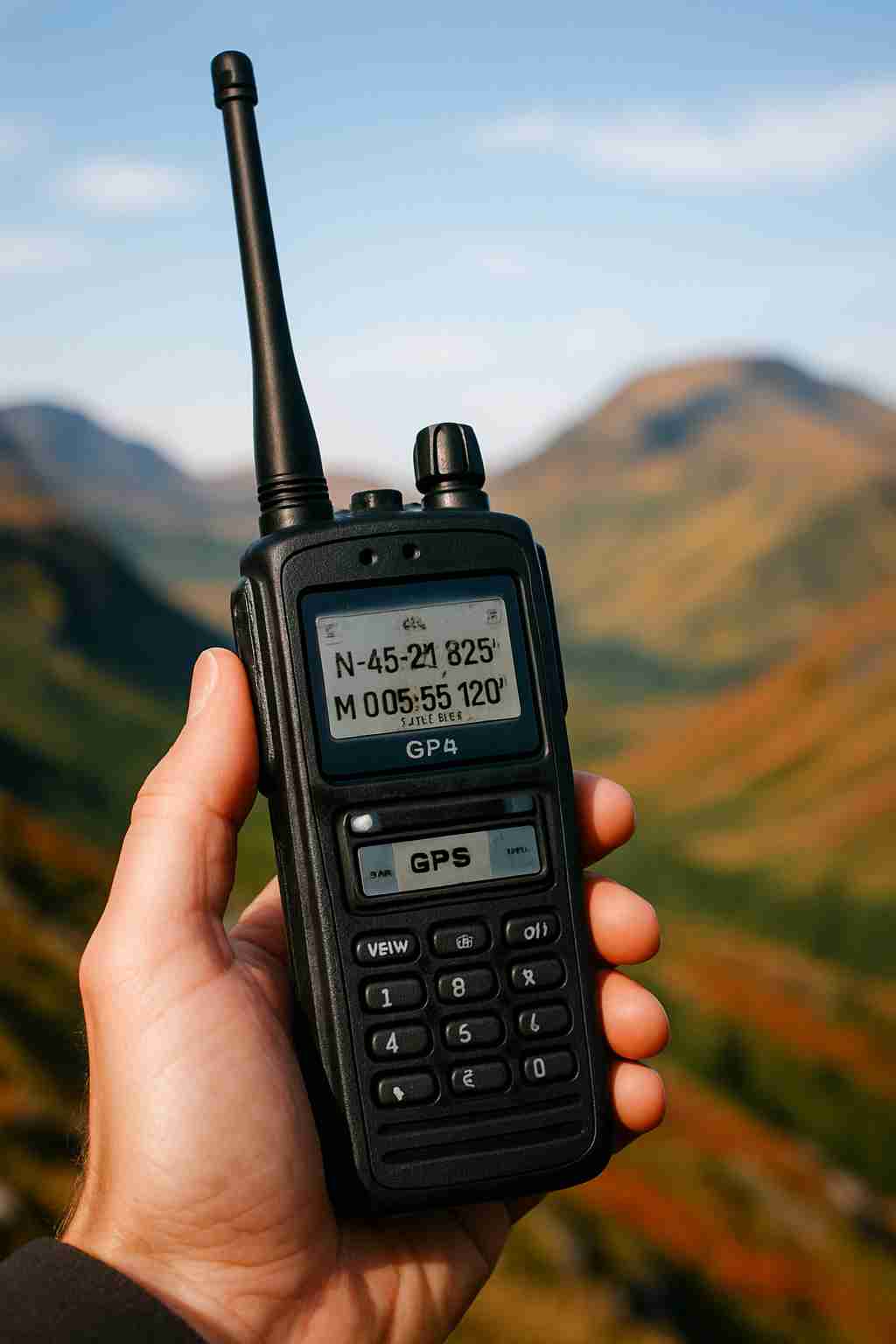
In the modern connected world, two-way radios with GPS tracking have become indispensable for both explorers and specialists. They provide dependable communication alongside accurate location monitoring, boosting safety and productivity across many situations. This article explores the advantages, leading options, and real-world uses of these cutting-edge devices, helping you make well-informed decisions.
Understanding GPS-Enabled Two-Way Radios
In the realm of modern technology, incorporating GPS technology into devices like two-way radios represents a remarkable leap forward in both navigation and communication functions. Since its origin in 1973 by the United States Department of Defense, Global Positioning System (GPS) technology has evolved tremendously. Initially crafted for military objectives, GPS quickly broadened to civilian domains, presenting accurate geolocation data without relying on cellular or internet connections. This transformation has turned GPS from a military asset into an essential aspect of everyday living, empowering travelers, professionals, and outdoor enthusiasts to navigate with a precision that was once unimaginable.
When equipped within two-way radios, GPS technology delivers real-time location tracking, boosting the devices’ flexibility and effectiveness. For decades, two-way radios—originally designed for two-directional voice transmissions—have been foundational in both personal and professional communication. These units typically function over half-duplex channels, supporting one-way communication at a time. Over time, their form and features have advanced considerably, with the introduction of GPS integration being among the most transformative enhancements.
The convergence of GPS with two-way radios creates a robust link between communication and navigation. This combination lets users stay in constant contact while simultaneously retrieving exact location information. For outdoor enthusiasts, the advantages include improved convenience and safety. Imagine having the ability to track your group’s exact whereabouts on a hike or emergency responders swiftly locating individuals during critical moments.
Additionally, professionals working in tough terrains or expansive commercial zones reap considerable benefits. GPS-enabled two-way radios optimize resource deployment and observation over large areas, enhancing efficiency, communication clarity, and operational security.
Arguably, what sets this technology apart is its independence from cellular and internet infrastructures, guaranteeing reliable performance in isolated or challenging environments where traditional communication might fail. This makes GPS-enabled two-way radios perfectly suited for a variety of scenarios—from remote expeditions to professional tasks in industries such as construction, mining, and logistics.
Fundamentally, the fusion of GPS and two-way radio technology offers a seamless integration of navigation and communication, catering to users who prioritize accuracy, dependability, and autonomy from network restrictions. Incorporating GPS into these classic communication devices broadens user capabilities and freedom, significantly changing how individuals connect with their surroundings. Whether for leisure or professional purposes, this innovation persistently expands the horizons of radio communication. As we delve into the leading GPS-enabled two-way radios available today, it’s important to evaluate how these combined features meet your unique needs, greatly enhancing your communication and navigation experience.
Practical Applications: Two-Way Radios with GPS Tracking
In a world where technology constantly reshapes how we engage with nature, incorporating GPS technology into two-way radios marks a notable advancement. This innovation arms outdoor enthusiasts—including campers, hikers, and explorers—with a powerful combination of reliable navigation and strong communication through GPS-enabled two-way radio devices.
When venturing into isolated areas where typical cellular networks struggle, safety becomes a top priority for outdoor adventurers. The GPS-enabled two-way radios provide live monitoring functions, enabling hiking groups or camping teams to track each other’s whereabouts in real time. This proves critical during emergencies or if someone becomes lost, as these devices transmit precise coordinates, giving search and rescue teams an exact point to start.
More than just sharing locations, these radios serve as a vital channel for clear communication. Since they operate independently of cellular towers, their reliability surpasses that of mobile phones in remote locations with limited or no signal. The blend of GPS tracking and two-way radio transmission establishes a safety net that encourages explorers to roam freely without the anxiety of being cut off.
From a professional angle, GPS-enabled two-way radios become essential across multiple sectors. For example, in construction, maintaining effective coordination on expansive sites is key to both productivity and safety. These tools not only enable smooth communication but also allow supervisors to track equipment and personnel locations, cutting down time spent searching and lowering accident risks linked to poor communication.
Security teams also capitalize on this technology. Guards covering wide areas stay in continuous contact with headquarters while updating their positions. When incidents arise, the control center instantly grasps the geographical context, enabling swift, informed actions. GPS tracking guarantees comprehensive coverage of secured zones, bolstering overall protective measures.
Emergency responders represent another critical group benefiting from these radios. During crises, access to immediate geographic details coupled with unobstructed communication channels is crucial. By merging GPS with two-way communication radios, responders enhance their command over incident management, facilitating efficient evacuations or rapid aid dispatch in the face of natural disasters.
Within demanding environments and unpredictable scenarios, the added capabilities of GPS-enabled two-way radios bridge the gap between safe navigation and effective communication. They empower individuals and teams by delivering essential information and preserving communications, which can determine the success of a mission versus a hazardous outcome. These devices have elevated expectations for safety and teamwork, allowing both adventurers and professionals to perform confidently in isolated or complex conditions.
Navigating with GPS-Enabled Walkie Talkies
In the dynamic realm of portable communication equipment and navigation, it’s essential to grasp the distinctions between walkie talkies and two-way radios to pick the ideal gadget for your expeditions. Although their functions overlap, each offers distinct advantages tailored to particular contexts.
Walkie talkies, known for their handheld convenience and user-friendly nature, come with a straightforward push-to-talk button that facilitates rapid connectivity within small groups, requiring no specialized skills. This makes them a great option for informal, short-distance communication during family trips, small hikes, or events like festivals. Their compact form and intuitive operation make them the preferred choice for those who prioritize portability and simplicity.
Conversely, two-way radios deliver a sturdier communication alternative, boasting advanced two-way radio capabilities geared toward both hobbyist and professional users. Many feature greater range, improved ruggedness, and more channel options, fitting demanding work environments perfectly. Experts in sectors such as construction, security, and emergency response frequently depend on these radios for their dependable and sophisticated communication functions. When clear coordination and extended coverage are critical, two-way radios are the favored solution.
Enhancing these devices with GPS technology significantly broadens their usefulness. GPS-enabled two-way communication devices provide an effortless fusion of messaging and navigation, invaluable for both city explorers and outdoor adventurers alike. With GPS functionalities embedded, they add a new layer to navigation by supporting waypoint creation and directional guidance.
This synergy helps users pinpoint their exact location and traverse challenging landscapes effortlessly. Outdoor pursuits like hiking or camping especially benefit from waypoint mapping, enabling users to mark important spots and return to them with ease. Directional assistance, often reinforced by digital compass features, simplifies navigating unfamiliar territories, enhancing confidence and safety.
Furthermore, the portable design of GPS-enabled walkie talkies makes them an essential item for anyone needing reliable communication combined with basic navigation. Whether you’re trekking rugged mountains or maneuvering through busy urban streets, these devices keep you connected with your party while steering you toward your goal.
By merging communication and navigation within the same device, you eliminate the necessity for multiple gadgets, lightening your load and streamlining outdoor logistics. Their quick and hassle-free solutions to navigational hurdles allow adventurers to concentrate on the journey itself, relishing every moment with a strengthened sense of security.
Therefore, whether you opt for a traditional walkie talkie due to its straightforwardness or a GPS-enabled two-way radio for its advanced features, understanding your specific needs and the environments you will encounter is crucial in finding the device best suited for your adventures. These tools not only enhance your navigational capabilities but also guarantee uninterrupted communication.
Conclusions
GPS-enabled two-way communication devices and walkie talkies combine the best of navigation and communication technology. They provide users with instant location monitoring systems, dependable connectivity, and improved safety in a variety of settings. Whether for recreational excursions or vital professional missions, selecting the appropriate portable communication system gives users the essential tools for effective and secure performance in any environment.