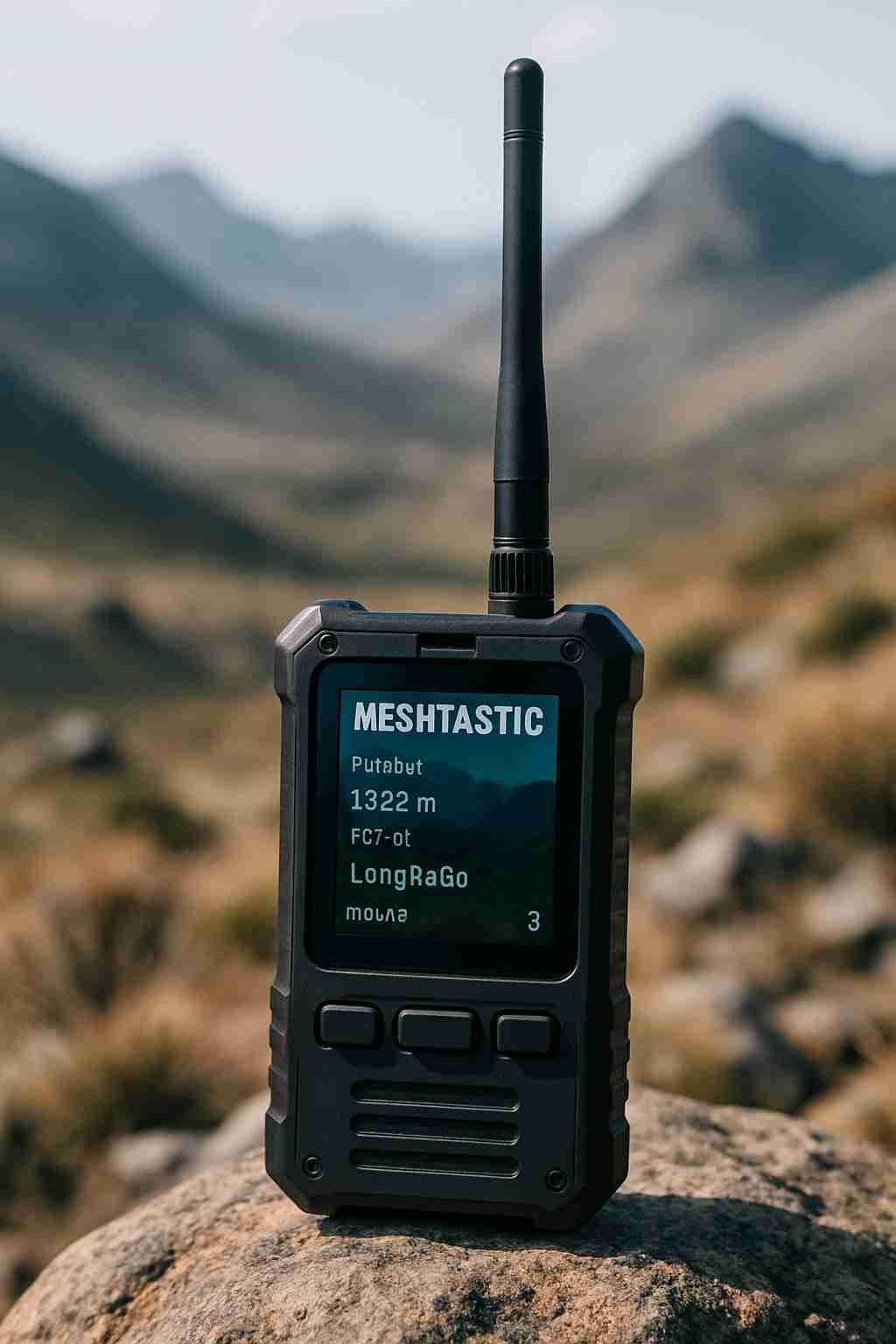






Revolutionizing connectivity beyond traditional infrastructure, autonomous communication systems and decentralized wireless mesh infrastructure are changing how we stay linked. Utilizing LoRa wireless communication alongside protocols like MeshCore, these platforms deliver secure robust communication networks. This article delves into the complexities of independent communication networks, highlighting their functionality and roles in our increasingly connected world.
The Rise of Off-Grid Mesh Networking
In recent years, a transformative solution known as off-grid mesh networking has gained traction for sustaining communication in remote and underserved locations. Unlike conventional networks that depend largely on centralized infrastructure, these systems enable individual nodes to link directly, creating a mesh of connections. This distributed mesh network architecture ensures that if one node experiences failure, the rest of the network remains functional, providing dependable communication without the necessity of extensive infrastructure.
Such networks profoundly impact isolated communities, where traditional telecom services may fall short. By allowing devices to exchange data independently of a central server, off-grid mesh networking equips these populations with the means to maintain contact, disseminate information, and gain access to crucial services. Furthermore, during emergencies when infrastructure could be compromised, these autonomous communication networks offer fault-tolerant emergency communication channels, improving the coordination capabilities of first responders.
The development of these autonomous communication networks underscores their power to democratize communication access and foster inclusivity. Free from the limitations of centralized systems, mesh networking champions privacy and resilience, qualities indispensable in today’s ever-changing digital environment.
Decentralized Communication in the Modern World
In today’s climate where privacy and security take center stage, decentralized communication stands out as a revolutionary development. Distributed communication systems, unlike conventional centralized setups, function without a single controlling authority, providing heightened privacy and increased resistance to censorship. This architecture empowers users with greater control, as their information faces fewer risks of exposure commonly linked to centralized organizations. Built on direct user communication, decentralized communication flourishes by being inherently resistant to targeted shutdowns and monitoring, concerns that remain critical across numerous regions worldwide.
This idea proves invaluable in practical scenarios, from sustaining access to data in censorship-heavy zones to ensuring uninterrupted connectivity during natural disasters, moments when centralized infrastructures often fail. People living in privacy-conscious countries depend on these secure messaging systems for encrypted interactions that evade governmental interference. Furthermore, in emergency situations, such peer-to-peer communication networks keep essential communication channels active, playing a crucial role in managing urgent responses.
By enabling a more democratic exchange of information, distributed communication systems not only equip individuals with power but also reinforce entire communities. As innovation progresses, the use of off-grid mesh networking gains momentum, providing a vision of a future where communication remains both durable and free from intrusive oversight, paving the way for a more connected and protected world.
Unlocking the Potential of LoRa Technology
The progression of LoRa communication technology within the sphere of autonomous communication systems marks a monumental transformation in our approach to long-distance connectivity. LoRa, an abbreviation for Long Range, utilizes a proprietary modulation strategy designed specifically for extended range low power wide area communication. By enabling data to be sent across distances as far as 10 kilometers or beyond in rural environments, it serves as an excellent foundation for autonomous communication systems. In these scenarios, gadgets exchange information independently of conventional power grids or cellular infrastructures.
Central to LoRa wireless communication’s allure is its exceptionally low energy demand. Devices powered by LoRa networking solutions can function for years on a single battery charge, ensuring smooth and continuous data transmission vital for uninterrupted connectivity. This feature is especially advantageous when deploying in remote, ecologically sensitive zones where frequent battery replacement or recharging is not feasible.
LoRa’s usage extends into many fields, including environmental monitoring, smart farming IoT, and establishing IoT networks across difficult landscapes. By facilitating network access in underserved regions where none existed previously, LoRa acts as a foundational pillar that broadens technological outreach, enabling automated communication frameworks that resonate with the demands of today’s interconnected ecosystem.
Understanding MeshCore Protocol and Its Impacts
Regarded as a groundbreaking development in the field of autonomous communication systems, the MeshCore protocol offers a dynamic and efficient framework for connectivity. Designed to support seamless communication in both standard and demanding environments, its modular wireless mesh protocol architecture allows easy integration with technologies like LoRa mesh networking solutions, which exploit their long reach low consumption connectivity features to build durable connections across vast regions. This blend of technologies guarantees steady communication, establishing a protected fault-tolerant communication solution that withstands failures often seen in conventional networks.
By utilizing a unified communication language, MeshCore enables effortless compatibility among various devices, ensuring diverse systems operate in unison. Its minimal-delay data routing is essential for time-sensitive uses, whether navigating the bustle of metropolitan areas or the solitude of rural landscapes. Practical implementations of MeshCore underscore its adaptability, ranging from enhancing connectivity in densely inhabited environments to addressing telecommunication services in hard-to-reach areas, making it especially valuable for robust crisis communication, agricultural IoT solutions, and environmental stewardship. As it fosters more flexible and expandable mesh networking platforms, its influence on dependable autonomous communication systems remains profound, supporting secure and continuous communication infrastructures.
Building Private Mesh Networks for Secure Communication
Creating private mesh networks for secure communication entails utilizing specialized technologies like LoRa communication technology and the MeshCore Protocol to establish a protected, isolated digital space. Unlike public networks, these private mesh networks empower users and organizations to independently operate their communication infrastructure, significantly boosting privacy and control. Typically, configuring nodes to form a closed communication loop is involved in setting up a private mesh network, which keeps data contained within the network and minimizes external interference. The network’s inherent self-adaptive network technology and resilience notably benefit users, especially in rural internet connectivity or autonomous communication systems.
Regular updates and vigilant monitoring are central to managing private mesh networks to uphold security and performance. For enterprises, this translates into protecting sensitive information and ensuring conformity with privacy regulations. Meanwhile, individuals enjoy the liberty to communicate free from the pervasive surveillance found on public networks.
Private mesh networks stand to transform secure communication by providing a foundation for durable data protection and operational independence. With ongoing technological advances, these networks are set to become essential in strengthening data security and offering a reliable substitute to conventional internet access, particularly for isolated communication systems.
Conclusions
Autonomous communication systems and distributed mesh network architecture, driven by innovations like LoRa networking solutions and protocols such as MeshCore, deliver powerful approaches to improving connectivity. These frameworks enable individuals and groups alike by offering secure robust communication networks that function independently from traditional infrastructure. As advancements continue, such self-sufficient communication networks reveal encouraging opportunities to meet future communication demands, combining cutting-edge development with broad accessibility.