
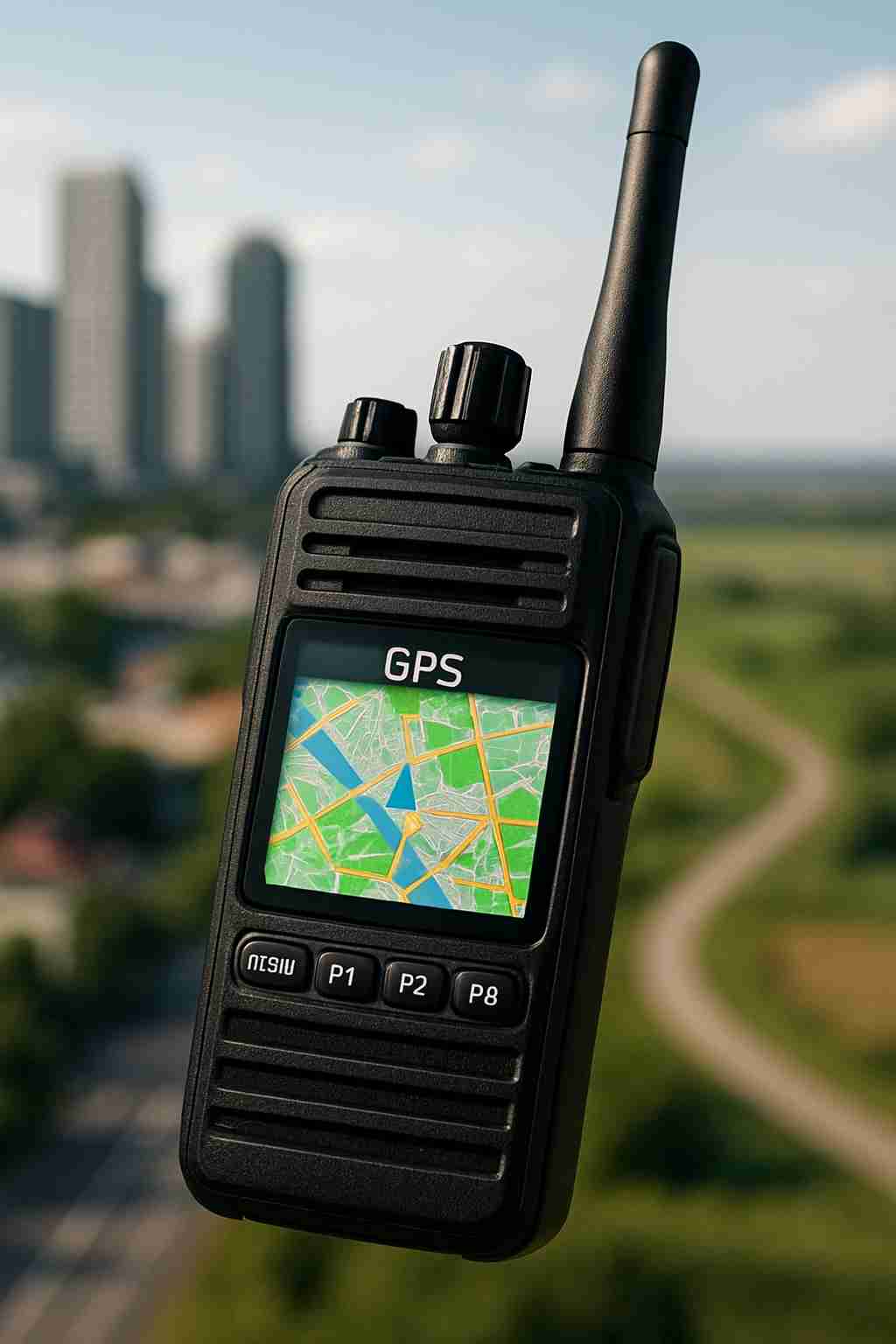
In today’s world, where immediate interaction is crucial, two-way radios featuring GPS tracking have transformed how we maintain communication. These gadgets not only ensure smooth bidirectional radio transmission but also deliver essential geolocation data, boosting both productivity and security in multiple industries. Let’s explore the significant influence and uses of GPS-enabled communication radios.
The Evolution of Two-Way Radios with GPS
The advancement of two-way radios with GPS tracking represents a significant breakthrough in communication technology. Originally designed simply as transmitters to support fundamental voice exchanges, two-way radios have evolved through decades and technological shifts into essential devices boasting advanced features. This progression was far more than a straightforward addition of existing elements; it was a transformative leap that expanded the capabilities and applications of two-way radios.
The origins trace back to the early 1900s, when two-way radios primarily served military and law enforcement sectors because they enabled immediate communication. These first-generation devices were bulky, heavy, and suffered from limited clarity and range. Nevertheless, their promise to close communication gaps in remote locations spurred ongoing innovation.
Over time, breakthroughs in semiconductor technology and the trend toward miniaturization paved the way for smaller, more effective units, broadening their appeal to public safety, commercial ventures, and individual users. The late 1980s and early 1990s saw the rise of digital two-way radios, a pivotal development that introduced clearer sound, enhanced encryption, and greater channel capacity. This digital shift established a foundation for future innovations, eventually leading to the fusion with another revolutionary technology—GPS.
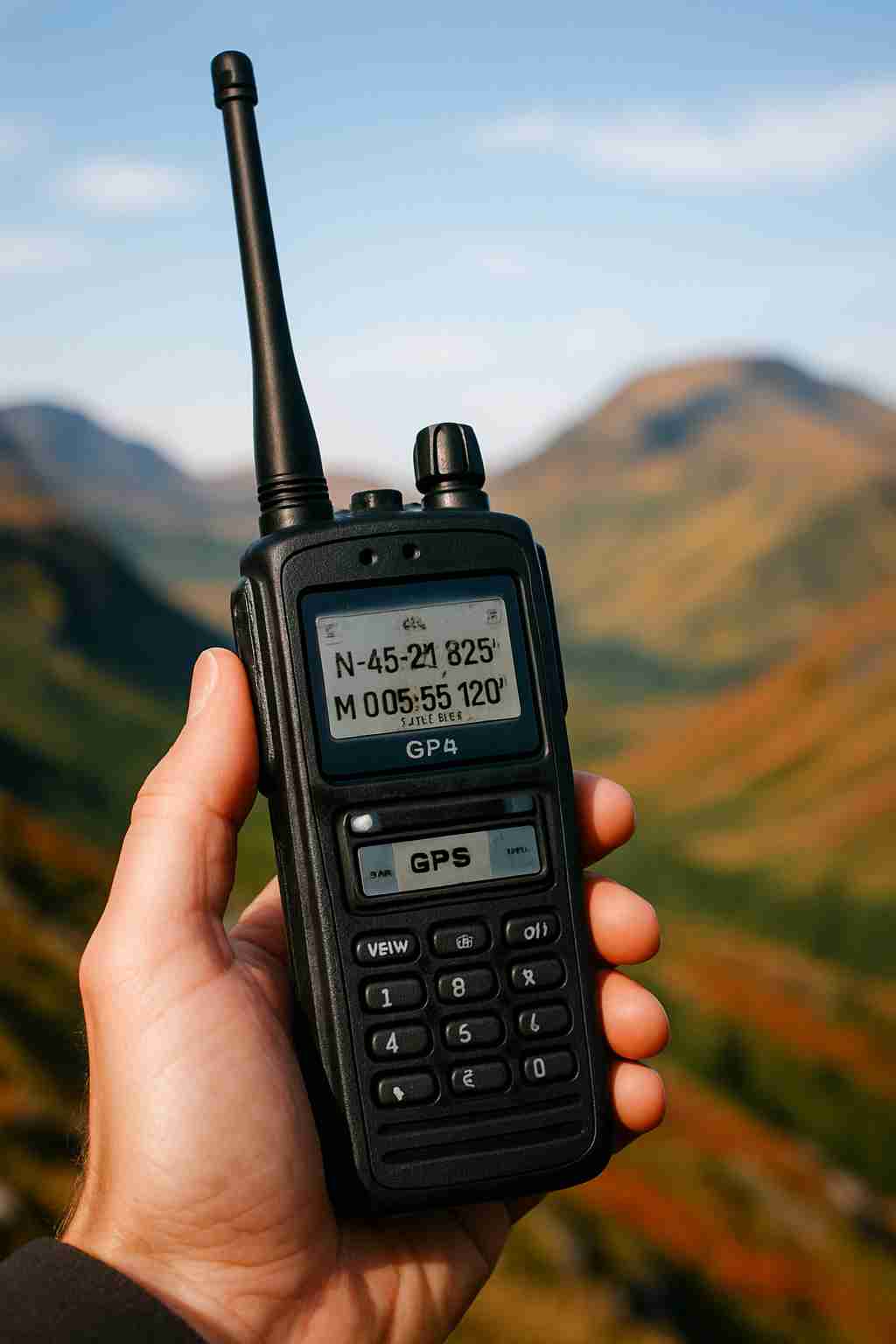
Integrating GPS into two-way radios was a game-changing advancement, converting them from basic voice communication tools into multifunctional devices capable of tracking real-time locations. GPS technology added a new layer to traditional two-way radios, greatly boosting their practical use across many industries. This synthesis meant operators could pinpoint the exact whereabouts of radio units in real-time, enhancing coordination and safety.
During the 2000s, efforts to combine GPS with two-way radios intensified. Industry leaders quickly recognized the substantial benefits for sectors that demand not only effective communication but also precise location monitoring, including logistics, search and rescue, and wildlife surveillance.
An important milestone in this development was the launch of feature-laden models equipped with GPS capabilities. These radios enabled users to set geofencing limits, receive notifications when devices crossed designated borders, and review movement trends over time. Such advancements revolutionized industries dependent on fieldwork, transforming two-way radios with GPS tracking into comprehensive platforms for logistics and professional fleet management.
At present, the impact of these innovations is extensive. The sophisticated combination of communication and geolocation functionality has profoundly improved operational efficiency and safety throughout various fields. This evolution persists as manufacturers relentlessly enhance technology to satisfy the growing demand for dependable, ubiquitous communication devices with precise tracking capabilities.
Exploring deeper into the features and benefits offered by GPS-enabled two-way radios, it’s clear we are witnessing more than just an evolution in communication gadgets. Instead, there’s a strategic broadening of their scope and functionalities. This transformation is ongoing, continuously pushing the boundaries of what was once thought possible by merging communication with accurate location tracking.
Key Features of GPS-Enabled Two-Way Radios
In today’s communications landscape, the advent of two-way radios with GPS tracking represents a significant advancement, distinguished by an array of features that elevate them beyond conventional models. These sophisticated capabilities boost efficiency in operations across multiple sectors, improving safety, coordination, and logistical handling.
Real-Time Location Tracking stands out as a key attribute of GPS-enabled communication radios. It enables accurate, live monitoring of personnel or assets, a critical advantage for organizations. Take logistics, for example: this feature supports smooth oversight of delivery routes and fleet vehicles, guaranteeing punctual and efficient service. It empowers dispatch teams to deploy quickly where needed, a vital factor in emergency response scenarios where every moment is crucial.
Geofencing introduces an additional dimension of supervision and effectiveness. By defining virtual perimeter zones, companies receive notifications when devices cross designated boundaries. In public safety, this means alerts if a patrol unit leaves its assigned region, prompting rapid intervention and redeployment. Similarly, construction applications benefit from geofence-enabled radio systems that track equipment movements onsite, helping deter unauthorized use or theft.
Automated Location Reporting further refines the functionality of these radios. This feature automatically transmits location updates at set intervals, removing the need for manual check-ins. For sectors like outdoor adventure, it enhances team safety in remote locations by consistently relaying positional data, easing the complexity of managing widespread operations.
Integrating these features significantly elevates workplace safety communication. Providing an immediate snapshot of team members’ whereabouts allows employers to respond swiftly during emergencies. In high-risk industries such as mining or oil and gas exploration, being able to account for all workers in hazardous environments is absolutely essential.
Moreover, operation coordination is streamlined with GPS supported communication radios. Whether orchestrating a search mission or coordinating convoy movements in military contexts, the improved communication efficiency fosters a unified approach to complex objectives.
Through enhanced situational awareness and connectivity, two-way radios with GPS tracking usher in a new standard of precision within communication and management. Their evolution from traditional voice-only radios into comprehensive operational intelligence tools marks a pivotal shift in the future of communication technology.
Applications and Use Cases of GPS Two-Way Radios
Within the ever-evolving landscape of communication technology, embedding GPS functionality into two-way radios has unlocked groundbreaking possibilities across diverse industries. These advanced devices bring advantages and uses that are reshaping workflows and boosting safety communication solutions in numerous sectors.
In the field of emergency services, two-way radios with GPS tracking serve as essential assets that enhance operational efficiency and guarantee prompt reaction times. When emergencies arise, accuracy and rapidity are crucial. Dispatchers benefit from live location monitoring, enabling them to pinpoint team members immediately and make sure assistance reaches critical spots without delay. For example, during search and rescue operations, having precise whereabouts of each team member supports effective coordination and markedly raises success rates. Tracking personnel effortlessly not only makes resource deployment more efficient but also plays a vital role in safeguarding rescue teams working in perilous conditions.
The construction sector’s challenging environments at remote locations demand durable communication equipment. In these settings, two-way radios with GPS tracking prove invaluable by improving both worker protection and productivity. Personnel working on vast or risky sites can communicate instantly while sharing their exact positions. This feature cuts down the time spent on navigation, minimizes accident risks, and accelerates emergency aid. Moreover, supervisors can oversee job sites remotely, confirming every worker’s presence and facilitating proactive safety oversight. This operational clarity leads to smoother workflows and a safer workplace overall.
Logistics and fleet operations also reap remarkable benefits from two-way radios featuring GPS tracking. Organizations managing delivery or transport fleets leverage these technologies to follow vehicle locations in real time, enhancing route planning and accelerating deliveries. For instance, courier companies can direct drivers to bypass congested routes, increasing timeliness and boosting client satisfaction. These GPS capabilities deliver vital data on vehicle usage patterns and fuel consumption, helping reduce costs and promote greener operations.
In critical, time-sensitive scenarios such as disaster responses or hazardous material handling, GPS-equipped two-way radios have undeniable life-saving effects. Rapid communication paired with accurate location tracking reduces dangers and strengthens team resilience on-site. Besides elevating personnel safety, GPS features ensure swift mobilization and deployment of resources, often deciding between successful crisis management and potential disaster.
Across various industries, the operational efficiencies gained from GPS functionalities are significant. Improved communication coupled with enhanced situational awareness streamlines processes, allowing tasks to be completed faster and with greater precision. As sectors continue to advance, the widespread adoption of GPS two-way radios is anticipated to grow, highlighting their importance as indispensable tools in elevating communication effectiveness in an ever-shifting world.
Benefits of Location Tracking in Two-Way Radios
Embedding location tracking capabilities in two-way radios with GPS tracking offers numerous benefits essential for boosting both operational safety and productivity across diverse sectors. One of the chief advantages lies in the enhanced safety afforded by accurate positioning. In critical environments such as construction zones or emergency responder situations, pinpointing the precise whereabouts of each team member can prevent hazards and speed up rescue missions if needed. This accuracy not only guarantees fast assistance but also helps minimize risks by enabling live monitoring of dangerous areas.
For teams working in ever-changing conditions, the improved synchronization made possible through GPS tracking is invaluable. Leaders can verify that every individual is strategically placed to carry out their responsibilities, allowing swift adjustments as circumstances evolve. Such coordination proves vital during disaster relief, search and rescue efforts, or major public events where flexibility is a must. Being able to map the spatial distribution of personnel supports the tactical deployment of assets, ensuring balanced workloads and accessibility.
The role of location tracking in streamlining logistics is equally noteworthy. When managing fleets, real-time knowledge of vehicle locations facilitates route optimization, reduces fuel expenses, and accelerates delivery schedules. This efficiency translates into cost savings and heightened customer satisfaction. By cutting reliance on manual data and reducing human errors, organizations benefit from smoother supply chain operations that are both economical and effective.
Furthermore, these gains contribute to significant expense reduction. The boost in operational effectiveness driven by precise location data combined with refined logistics results in measurable savings. Minimizing unnecessary detours and downtime enhances resource utilization and cuts overheads. Improved safety further diminishes insurance reimbursements and liability exposure, delivering added financial advantages.
Leveraging two-way radios with GPS tracking goes beyond efficiency—it equips organizations with the insight to make quick, informed decisions. In today’s landscape where agility and accuracy are critical to success, integrating GPS technology into communication devices stands as a powerful partner, elevating both productivity and workplace protection.
Choosing the Right GPS Two-Way Radio for Your Needs
Picking the ideal two-way radios with GPS tracking demands a thorough evaluation of various attributes to guarantee it fits your unique requirements. Your decision should be guided by several crucial aspects such as range, robustness, battery endurance, and software integration. Together, these factors influence the radio’s performance across diverse environments, whether in crowded cityscapes, broad rural settings, or isolated regions.
Start by examining the range offered by the GPS-enabled communication radios. Range plays a pivotal role, particularly when communication must span wide distances or navigate areas with potential signal blockages. Urban environments typically require shorter ranges due to many structures, but rural or remote zones might call for extended coverage to maintain connection across vast territories. Look for devices that include high-power transmitters and sophisticated antenna systems to enhance reach.
Another vital aspect to consider is durability. Radios that operate outdoors or in demanding industrial scenarios need to endure tough conditions. Seek models designed with rugged features incorporating water and dust resistance, alongside strengthened casings. An IP rating offers valuable information about protection levels against environmental challenges. Radios built to military specifications for shock tolerance are perfect for teams functioning under strenuous circumstances, ensuring consistent operation amid various stresses.
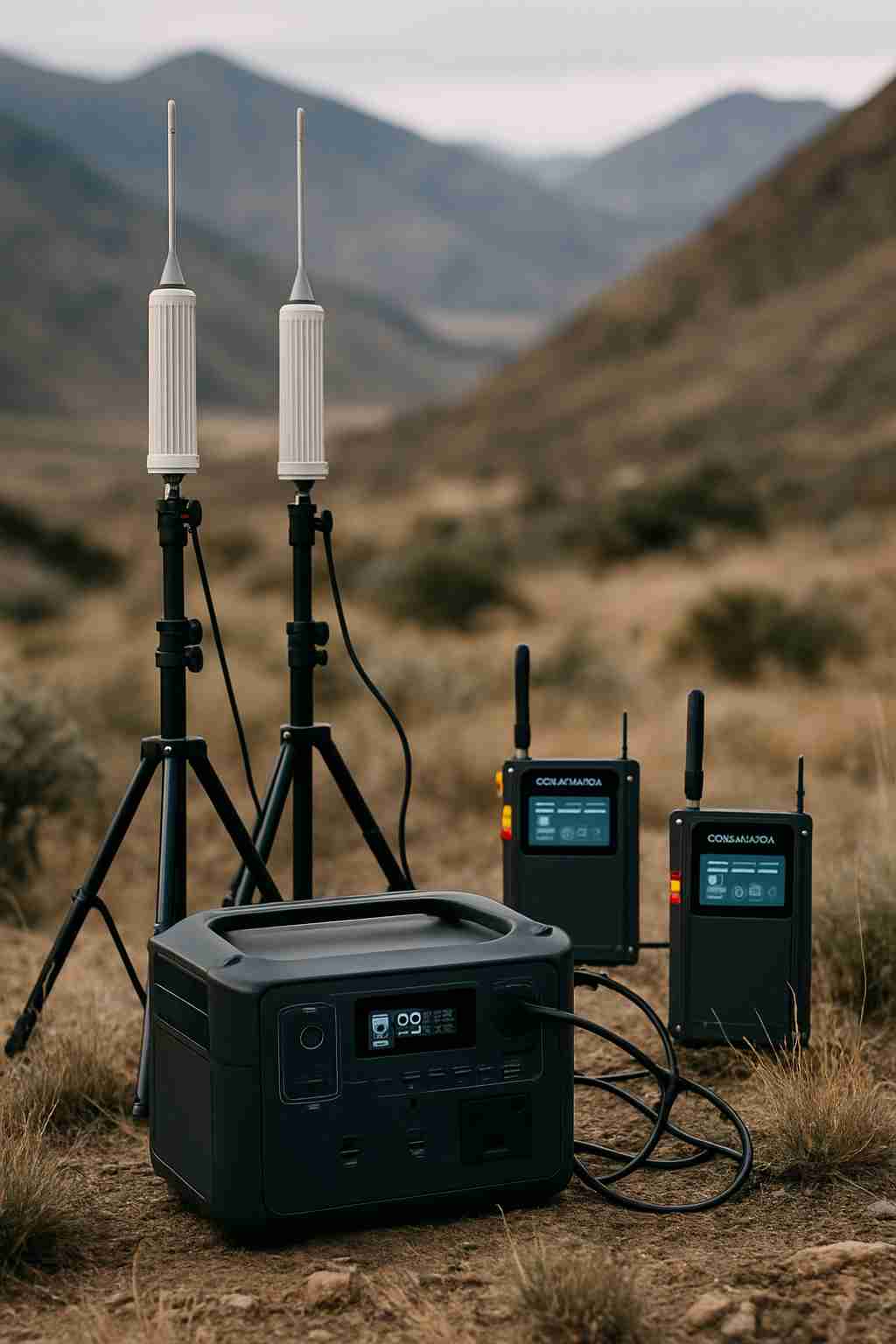
Battery longevity significantly impacts uninterrupted usage of two-way radios featuring GPS tracking. Teams relying on constant communication in the field require models with batteries of substantial capacity to deliver prolonged operation. Features like power-saving modes and speedy recharging options help reduce downtime. In situations anticipating extended use, carrying additional batteries or portable charging stations becomes essential for uninterrupted functionality.
It’s also important to address software compatibility. With GPS tracking becoming more embedded within communication platforms, make sure the radios align smoothly with your existing software and systems. Choose models that facilitate seamless integration with mapping and tracking programs, allowing for live monitoring and detailed data evaluation. Compatibility with other communication tools enhances ease of communication across multiple platforms.
When deciding on the best fit for varied environments, tailor your choice to the operational requirements specific to each setting. In metropolitan areas, prioritize radios adept at handling signal interference caused by dense construction and numerous users. For countryside regions, focus on range and battery life to guarantee effective coverage over broader expanses with limited infrastructure. Remote zones often demand the most rugged radios with dependable GPS tracking to maintain location precision under challenging circumstances.
Ultimately, selecting the right two-way radios with GPS tracking calls for a detailed review of these fundamental features to ensure they suit your operational objectives. By carefully weighing range, durability, battery performance, and software compatibility, you’ll secure a communication system that boosts both efficiency and safety across various environments.
Conclusions
Industries are revolutionizing their communication and operations through GPS-integrated communication devices. These advanced tools merge dependable two-way wireless communication with live location monitoring, delivering improved safety, better collaboration, and enhanced operational productivity. For companies aiming to elevate their communication and logistics, investing in two-way radios featuring GPS tracking represents a forward-thinking strategy as technology continues to evolve.