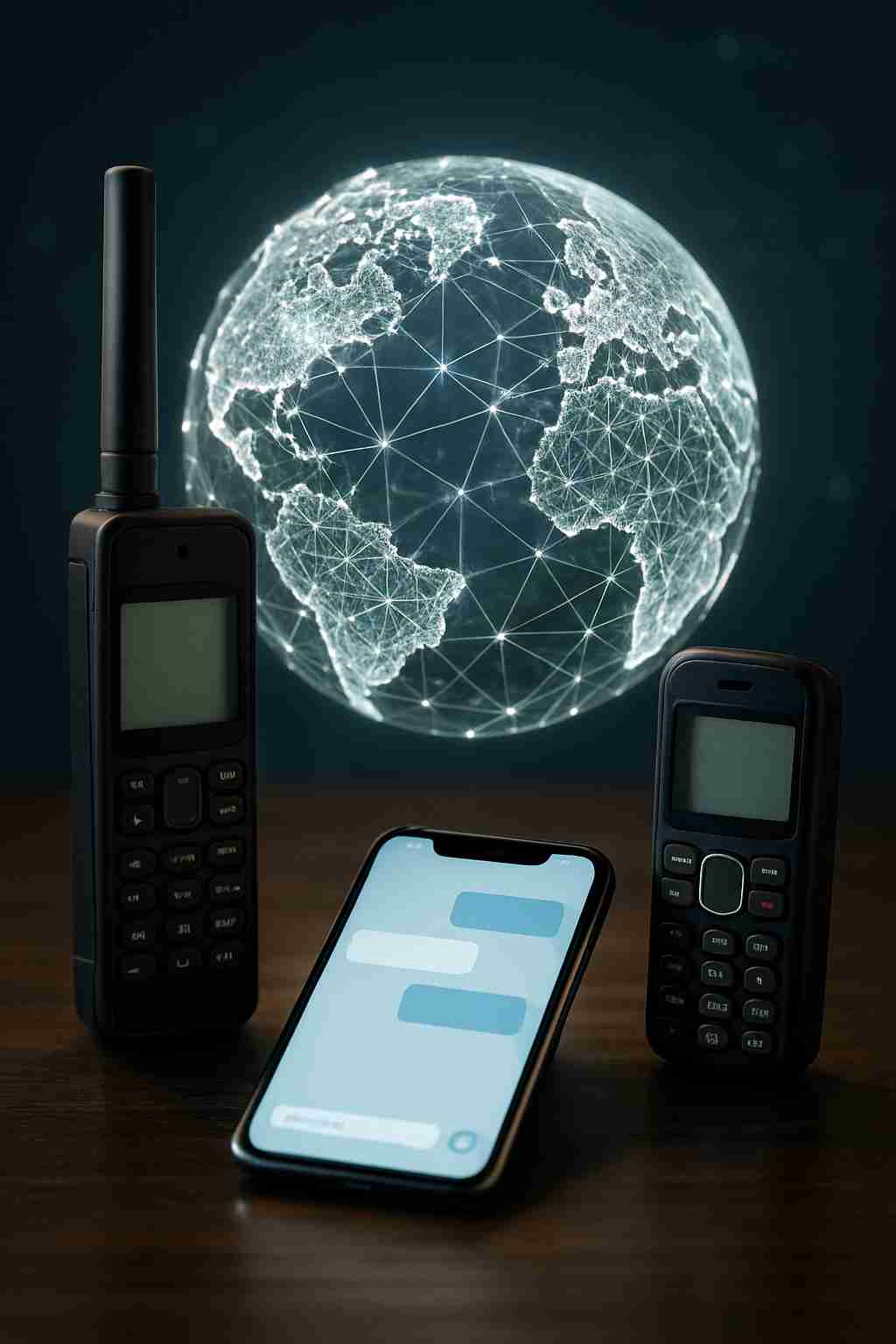




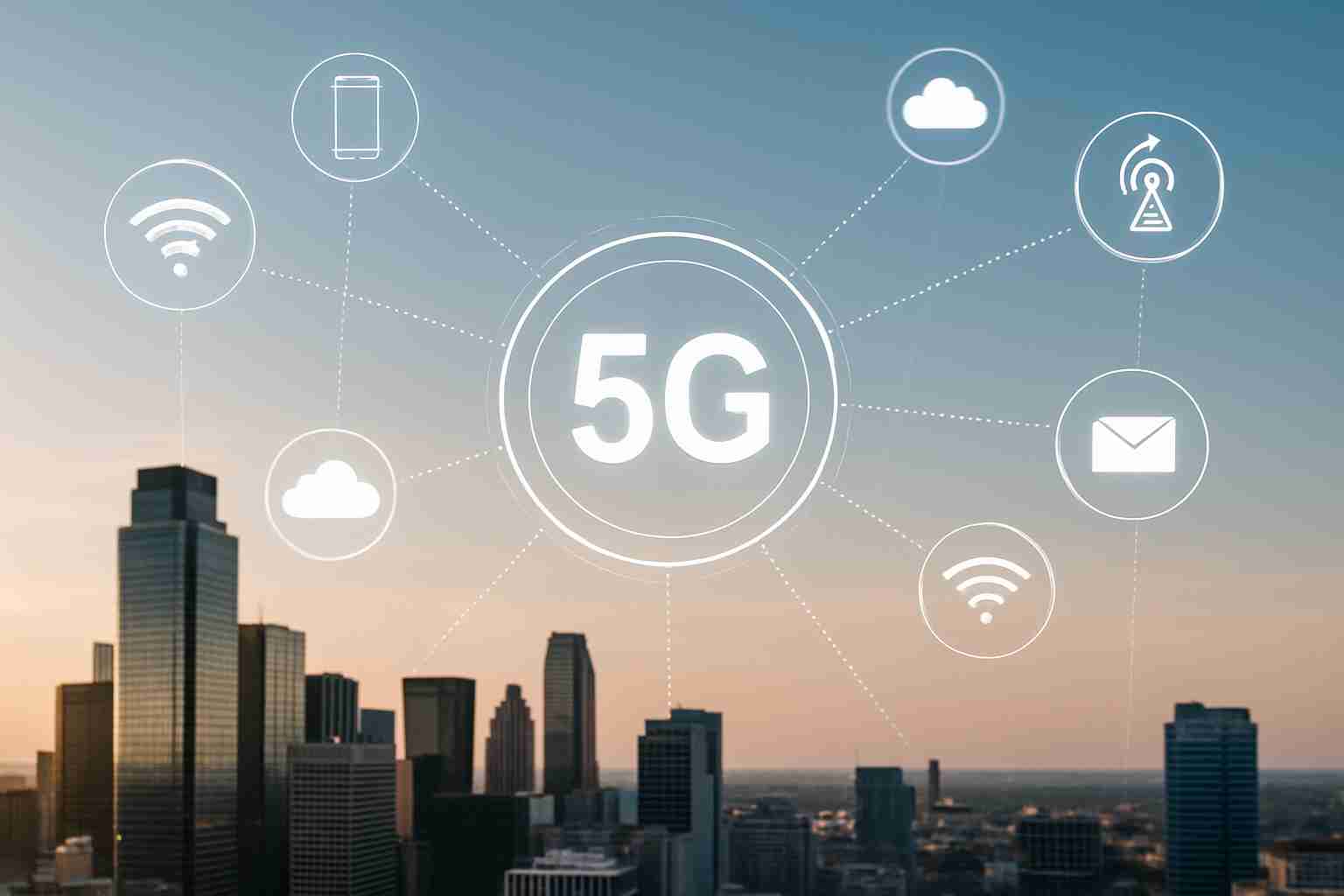
Wireless networking solutions have transformed the ways we transmit and access information, fueling innovation across diverse sectors. Enabling smooth connections from personal gadgets to extensive network infrastructures, these systems support our everyday interactions. This article explores the primary categories, uses, and advantages of wireless communication, emphasizing the transformative impact of fifth-generation wireless networks in this rapidly advancing domain.
Understanding Wireless Communication Technologies
Wireless communication signifies the transfer of data across distances without relying on physical cables or wires. The journey of wireless networking solutions has been characterized by significant breakthroughs, starting from the earliest radio signals to today’s advanced cellular networks. Every group of these wireless communication systems plays a crucial role in how we stay connected and share information constantly.
Radio waves, which serve as the foundation of many contemporary wireless networking solutions, have been fundamentally important since their inception. They span a wide spectrum of frequencies and possess the remarkable capability to cover long distances, even penetrating through barriers. This makes them well-suited for tasks such as radio broadcasting and mobile network operations. Although radio waves represent one of the oldest modes of wireless data transfer, they have persistently evolved to back emerging technologies, including 5G, which demands optimal spectrum efficiency to handle large data volumes.
Conversely, microwave technology functions at higher frequency bands than radio waves, qualifying it for line-of-sight communication. It is commonly found in satellite networks and intercontinental links due to its proficiency in transmitting massive data amounts over huge distances with minimal degradation. Microwave systems underpin long-haul telecommunication connections and are vital for radar and specific network backhaul types.
Infrared communication leverages infrared light to convey information over short ranges, frequently used in remote controls and brief data exchanges between mobile devices. Its limited range and directional nature make infrared especially advantageous in environments requiring high security, as it prevents interception beyond the intended receiver.
Satellite communication holds a key position in worldwide broadcasting and telecommunication efforts. Data transmitted via satellites crosses oceans and continents, rendering them essential for television broadcasting, meteorological forecasting, and global navigation systems. Their strategic orbital positioning ensures consistent connectivity even in isolated regions where other communication means might falter.
The rise of cellular networks has significantly propelled the advancement of these technologies, revolutionizing communication by lessening dependence on traditional wired phones. From first-generation systems to the sophisticated 5G telecommunications networks, cellular technology progression has brought faster data rates, improved reliability, and broader coverage. The transition from 4G to 5G is particularly transformative, boosting transmission speeds drastically while minimizing latency, thus unlocking innovative possibilities like autonomous vehicles, telemedicine wireless solutions, and the Internet of Things (IoT).
Each of these wireless communication methods offers distinct advantages and challenges. Collectively, they establish an intricate, interconnected fabric driving innovation and connectivity in virtually every facet of our daily lives. Gaining insight into these wireless communication systems is essential as we venture further into an increasingly wireless future.
Types of Wireless Communication
Wireless networking solutions cover a broad spectrum of technologies, each designed to fulfill distinct roles and provide unique advantages that set them apart. As the foundation of today’s connectivity, these systems reshape how we communicate, collaborate, and entertain ourselves around the world. This section examines the varieties of wireless communication in detail, highlighting their unique functions and importance within the ever-evolving realm of digital interaction.
Orbital communication platforms represent a groundbreaking leap, furnishing comprehensive global coverage and connection. By circling Earth, satellites create the essential framework for broadcast media, GPS, and long-range radio links. These satellite networking solutions guarantee that even isolated regions stay connected, delivering vital services like national broadcasting and critical emergency communication. One of the primary merits of satellite communication systems is their capacity to send signals across immense distances without relying on terrestrial networks, which cements their role as crucial components of worldwide communication.
Radio broadcasting continues to serve as a fundamental component of wireless telecommunication technologies, providing a widely accessible channel for transmitting audio content to large audiences. By employing frequency modulation (FM) or amplitude modulation (AM) bands, radio stations broadcast signals on designated frequencies, giving listeners access to a vast range of programming, from music to talk shows. Despite the surge in internet streaming of audio content, radio broadcasting remains a steady and dependable medium, reaching millions daily with information and entertainment.
Infrared wireless communication technologies, commonly linked with remote controls, use light waves to send data across short distances. Though its effectiveness is constrained by the need for direct visual communication and susceptibility to obstructions, infrared connectivity applications hold significant value where low power usage and moderate data speeds suffice. From operating household appliances to facilitating short-range data transfer between gadgets, infrared stays relevant as a niche wireless communication system use.
Wireless internet access has transformed how we connect to the web by allowing local wireless access without cables. This technology transmits data via radio waves, connecting devices such as smartphones, laptops, and tablets to a network effortlessly. Thanks to its flexibility and user-friendly setup, Wi-Fi online access is now a cornerstone in homes, offices, and public venues, granting users the freedom to browse the internet anytime within its range.
Bluetooth technology is particularly adept at enabling short-range wireless connections among devices. It effortlessly supports data sharing and is a staple in personal electronics like headphones, smartwatches, and fitness bands. Its energy-efficient operation and seamless pairing make it perfect for wearables and hands-free gadgets, fostering a network of interconnected personal devices.
Mobile telecommunications evolution underpins cellular communication, which powers mobile phones and other portable gadgets with voice and data capabilities. Cellular networks segment areas into cells, each featuring a dedicated base station. This arrangement supports smooth transitions of calls and data as users move through cells. Dramatic improvements in cellular infrastructure advancement, spanning from first-generation networks to the latest fifth-generation wireless networks, have significantly boosted data rates, reliability, and coverage, enabling new innovations and services.
Every form of wireless communication technologies offers specific advantages tailored to particular scenarios and demands. The synergy among these wireless telecommunication technologies forms the digital backbone of our modern world, reflecting a dedication to borderless connectivity. Looking forward, appreciating and harnessing these diverse wireless communication technologies will be vital to unlocking new opportunities and enriching our daily lives.
Wireless Communication Applications
By significantly boosting capabilities across multiple fields, wireless communication has woven itself into the fabric of our everyday lives and various industries. The introduction of wireless networking solutions has opened doors to applications once thought impossible, showcasing their adaptability and revolutionary influence.
Within healthcare, wireless communication systems are transforming patient management. The rise of telemedicine and remote health monitoring, powered by the deployment of wireless networking solutions, facilitates real-time data exchange between patients and medical practitioners. This enables ongoing monitoring and timely care for chronic conditions, greatly enhancing patient prognosis. For instance, gadgets that measure heart rate, glucose, and other key metrics send information instantly to clinicians who can modify treatment remotely. Consequently, healthcare delivery becomes more tailored, anticipatory, and efficient.
The realm of consumer electronics also feels the profound effects of wireless connectivity technologies. Smartphones, ubiquitous in today’s world, exemplify the extensive reach of wireless data transmission systems. Outfitted with Wi-Fi, Bluetooth, and NFC, these devices achieve flawless interaction within our connected environment. They act as central hubs for communication, entertainment, and work, empowering users with countless applications on the move. Additionally, smart homes enjoy the perks of wireless automation devices for smart homes like thermostats, voice assistants, and security setups, improving convenience and elevating quality of life.
Industrial sectors harness wireless communication for IoT network integration that boosts automation and productivity. Within manufacturing facilities, IIoT communication solutions support predictive maintenance, minimize downtime, and amplify output. Sensors connected by wireless communication collect and interpret data that inform smarter decisions and efficient resource use. Seamless data exchange between machines—known as Machine-to-Machine communication—enables more intelligent production workflows and flexible supply chains.
In transport, wireless communication facilitates the advancement of Vehicle-to-Everything communication technology, essential for crafting safer, smarter transit systems. V2X allows automobiles to interact with one another and with traffic control frameworks, improving road safety and easing congestion. These solutions deliver up-to-the-minute alerts about traffic conditions, incidents, or route changes, enabling better navigation and smoother traffic dynamics. As autonomous vehicles become widespread, reactive wireless communication grows ever more crucial to ensure dependable function and security.
From elevating personal experiences to reshaping global industries, applications of wireless communication highlight limitless innovation and opportunities unlocked by these technologies. This seamless incorporation fuels ongoing development, stretching the boundaries of possibility while enhancing both lives and businesses. With continuous advancements, the future of wireless connectivity holds infinite promise, heralding even more groundbreaking changes ahead.
5G Wireless Technology Revolution
5G technology, representing the newest advancement in wireless networking solutions, is fundamentally changing the way we connect and engage with our environment. Far more than just an incremental update, this fifth generation of mobile networks marks a revolutionary transformation, offering blazing speeds, minimal latency, and superior connectivity. Envision downloading an entire movie in a blink or performing highly accurate, real-time surgeries aided by sophisticated robotics—these are not futuristic dreams but present-day facts made possible through 5G.
The most groundbreaking enhancement of 5G lies in its ability to handle enormous data volumes at unprecedented speeds. Thanks to this expanded bandwidth, a greater number of devices can be linked simultaneously without any loss of performance, which is essential as we move into an era governed by the Internet of Things (IoT). As IoT devices become ubiquitous across industries from healthcare to transportation, the necessity for a network like 5G becomes strikingly clear. It effectively forms the robust infrastructure behind intelligent factory environments, automated supply chains, and real-time logistics.
One standout feature of 5G is its highly dependable low delay communication. Latency—the lag before data transfer commences after a command—is drastically reduced with 5G. This aspect is critical in scenarios where timing is paramount. Autonomous vehicles, which depend on instantaneous communication for safe navigation and accident prevention, greatly gain from these enhancements. Likewise, virtual reality (VR) and augmented reality (AR) experiences run fluidly, ensuring smooth, interactive engagement free from lag.
Additionally, 5G is set to transform urban living by enabling the rise of smart cities. Such cities capitalize on data from connected devices to streamline traffic management, cut energy use, and boost public safety. Traffic sensors can communicate swiftly with AI-controlled traffic signals to dynamically ease congestion. Moreover, 5G-supported smart grids can efficiently balance energy loads, reducing waste and optimizing renewable energy utilization.
Furthermore, the impact of 5G on healthcare is tremendous. Telemedicine, which permits patients to consult healthcare professionals remotely, becomes far more viable thanks to the network’s speed and reliability. Wearable health gadgets that track vital signs in real-time and relay data directly to medical providers depend on 5G for accurate, immediate analysis. This continuous health monitoring can detect problems early, potentially saving lives through prompt intervention.
For the industrial sector, 5G’s implications are profound. It underpins advanced factory automation, facilitating major advancements in manufacturing where precision and timing are crucial. Smart machinery operating in unison can significantly elevate productivity without human oversight. This connectivity enables instant responses to equipment failures or changes in production, reducing downtime and maximizing throughput.
The entertainment industry also reaps the rewards of 5G. Improved network capabilities allow uninterrupted streaming of high-definition media, letting users enjoy rich multimedia without pauses. Gamers benefit from fluid gameplay via cloud-based gaming over 5G, which demands rapid data exchange between servers and their devices.
In summary, 5G goes beyond being just another evolution in wireless communication technologies; it is a transformative leap reshaping industries, elevating user experiences, and enabling groundbreaking innovations across technology sectors. As these networks proliferate, their influence will touch every corner of our interconnected lives—from tiny embedded sensors in clothing to intelligent grids managing power usage—ushering in a new era of connectivity and technological progress.
Benefits of Wireless Communication
Wireless communication systems provide notable advantages compared to conventional wired setups. Chief among these is mobility. Unlike wired connections that anchor devices to fixed spots, wireless technology permits devices to function smoothly and flexibly across various settings. This liberty encourages innovation, enabling organizations to design more versatile workplaces and grant employees the option of remote collaboration. Mobile communication platforms have transformed logistics and service industries by equipping providers and field technicians with instant data access and improved operational productivity.
Flexibility is another essential advantage. Wireless networks make the creation and scaling of communication infrastructures simpler. Because physical cabling is unnecessary, deployment becomes less complicated and more adaptable to evolving demands. For fast-expanding companies or those in rapidly shifting environments, this agility is vital. It guarantees that firms can quickly reallocate resources or grow operations without the constraints inherent to wired systems. Furthermore, in urban planning, wireless communication technologies aid in building smart cities where municipal services can be managed responsively and efficiently.
Cost reduction also stands out as a major positive. Installing and upkeeping wired networks requires significant spending on cables, conduits, and maintenance staff. Wireless alternatives cut these expenses, making technology more accessible for smaller businesses and developing areas. By democratizing technology, this promotes economic expansion by allowing more participants to engage in international trade and commerce regardless of their location or financial resources.
In addition, the societal influence of wireless communication technologies is profound. Providing greater access to data and services, these technologies empower individuals and communities alike. Online educational content breaks down barriers to learning, while healthcare has experienced transformative improvements through telemedicine wireless solutions, delivering care remotely to patients in hard-to-reach regions where traditional healthcare is limited.
Moreover, wireless technology is instrumental in strengthening connectivity among diverse devices, driving the Industrial Internet of Things networking revolution. This progress has led to intelligent home wireless gadgets and automated systems that simplify daily routines, maximize resource efficiency, and improve quality of life.
Ultimately, wireless communication benefits extend across economic, societal, and personal domains. Policymakers and industry leaders continuously harness its potential to fuel initiatives aimed at sustainable development and inclusive progress, firmly establishing it as a foundational element of contemporary society.
Components and Systems of Wireless Communication
Seamless and effective communication through wireless communication systems depends heavily on the integration of essential components and frameworks. These solutions, which form the foundation of contemporary connectivity, rely on several indispensable parts working together flawlessly: transmitters, receivers, antennas, and network protocols. Each plays a pivotal role in guaranteeing dependable and prompt communication across diverse scenarios.
Transmitters and receivers are the core of these networks. Information is transformed into electromagnetic waves by transmitters, which then propagate through air or other channels. In turn, receivers pick up these signals and convert them back into usable content, whether in the form of audio, video, or internet data. The flawless interplay between these two parts is essential to delivering the rapid and high-quality communication expected from today’s wireless data transmission systems.
Serving as the bridge between wired electronics and open space where signals propagate, antennas represent another critical element in wireless communication technologies. Based on different requirements, various antenna types are utilized—from simple dipoles for basic functionality to highly focused antennas designed for long-range, directional transmission. The way antennas are designed and positioned greatly influences both the communication distance and signal clarity.
Often overlooked but vital, network protocols govern how information travels through wireless communication technologies. Protocols like Wi-Fi, Bluetooth, and the fifth-generation wireless networks are tailored to meet particular demands such as speed, coverage, and energy conservation. They organize the transmission and reception of data packets, minimizing interference and preventing data loss.
Effective integration with current infrastructure is another must for wireless communication systems. Mobile networks frequently need to work in tandem with wired setups to distribute content via cellular networks before gracefully transitioning it to Wi-Fi networks within homes or workplaces. This seamless coordination ensures a continuous user experience as devices switch between connectivity environments.
Building scalable communication platforms is essential for creating resilient systems. These must be capable of adapting to growth and shifting user needs without requiring major overhauls. Achieving this involves modular wireless communication systems, which allow new functionalities, such as broader frequency bands or enhanced data throughput, to be added as technology evolves. The deployment of 5G mobile network technology is a prime example, integrating innovations like 5G network partitioning and highly dependable low-delay communication to support diverse applications, from autonomous cars to intelligent power grids.
In essence, an in-depth understanding of these components and systems reveals the sophisticated choreography behind wireless networking—a fusion of hardware innovation, signal processing, and protocol engineering. Mastery over these aspects empowers engineers to develop solutions that are both responsive and trustworthy, meeting the escalating demands for connectivity in our digital age.
Conclusions
Wireless connectivity technologies keep reshaping our lives by closing gaps and boosting interaction. The pace of innovation and progress in this domain is poised to quicken even more with the rise of fifth-generation wireless networks. By grasping the various categories of wireless communication and their practical applications, both individuals and organizations can tap into the wireless technology advantages for a future that is increasingly interconnected and efficient.