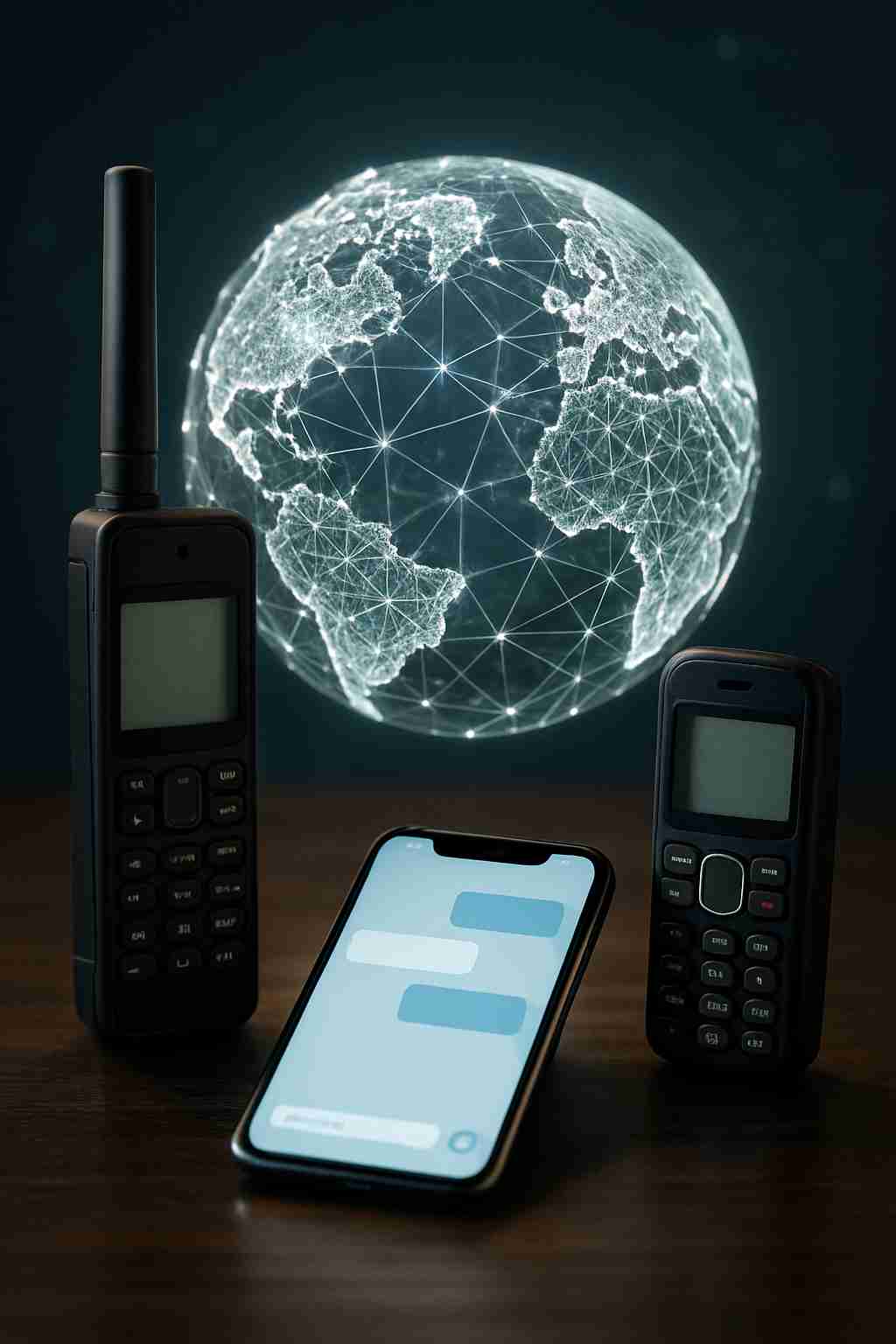





In the digital era we live in today, effective communication is crucial, particularly for organizations aiming to boost client interaction and streamline their operations. Interactive SMS services have become an essential resource, offering prompt and dependable communication. This article delves into the innovations and options behind two-way text messaging systems, demonstrating how enterprises can utilize these to improve their communication approaches.
Understanding Two-Way Texting Technology
Two-way texting technology has revolutionized how individuals and businesses interact. At its essence, this technology facilitates a lively exchange of information between parties, moving beyond the constraints of traditional one-way messaging methods. Grasping this progress involves understanding the systems and infrastructures that enable such rapid and reciprocal communication.
Picture a dialogue where each participant can reply and engage instantly, much like a direct conversation. This is exactly what two-way text messaging systems provide. Instead of messages being simply sent into a void, they are delivered, viewed, and responded to, creating a seamless flow of communication. This immediacy proves vital both personally and professionally, where prompt messaging can have significant impact.
The foundation of this technology lies in the SMS and MMS communication protocols. SMS continues to be the most prevalent standard for text messaging, offering a simple, text-only service. Its durability and ease suit varied uses, ranging from basic alerts to intricate customer relationship solutions. Conversely, MMS broadens the scope by allowing the transmission of multimedia elements such as pictures, audio clips, and videos along with text. This feature is especially advantageous for companies aiming to captivate customers through richer content.
Supporting the smooth sending and receiving of these messages is a durable infrastructure. Mobile networks are crucial, ensuring messages move across multiple nodes and arrive promptly at their target. The reliability of these networks is essential; any interruptions may cause delays or lost messages, hindering the success of interactive SMS services.
Additionally, two-way texting depends on advanced SMS communication software solutions to manage these interactions. These platforms often include functions like message queuing, delivery confirmation, and data analytics. They allow businesses to monitor client engagement, study communication trends, and enhance their outreach strategies. This analytical approach guarantees messages are not only transmitted but also fine-tuned for optimal effectiveness.
The adaptability of two-way texting is further boosted by its compatibility with a range of SMS-enabled communication hardware, from simple mobile phones to sophisticated systems. For example, many support centers now utilize this technology to respond faster and more efficiently. The speed of texting makes addressing issues quicker than traditional methods such as emails or telephone calls.
Security and confidentiality are equally critical. Protocols ensure messages stay encrypted during transmission, protecting sensitive information against unauthorized access. Both companies and individuals can communicate securely, confident that their conversations remain private.
In summary, two-way texting technology marks a significant advancement in communication. By enabling interactive conversations, it improves the efficiency and effectiveness of messaging across various settings. Whether it’s a customer reaching out to a service provider or friends coordinating plans, texting has become a vital element of contemporary communication. As technology evolves, mastering and utilizing this powerful tool will only become more essential.
The Rise of Two-Way Texting Devices
In today’s fast-evolving communication landscape, two-way texting devices have become crucial instruments across both personal and professional spheres. These gadgets go well beyond the basic functions of traditional mobile phones by leveraging a variety of cutting-edge technologies that utilize SMS to facilitate smooth exchanges. With ongoing technological progress, these indispensable tools continue to diversify and enhance their capabilities, revolutionizing how we connect with our surroundings.
The introduction of smartphones represented a major advancement in the domain of two-way text messaging systems. Integrating voice calls, texting, email, and numerous other digital communication formats, smartphones have become essential in daily routines. By offering intuitive touchscreens, texting has reached unprecedented ease, allowing full conversations anytime and anywhere. Their seamless syncing with cloud platforms further guarantees message availability across multiple devices, fostering continuous communication.
Smartwatches mark yet another step forward in this evolution of reciprocal SMS messaging tools. Originally serving as phone companions, these compact wearables have evolved into independent communication devices. Featuring messaging applications and alerts on wrist-sized screens, they empower instant text replies, thereby supporting effective communication without disrupting daily tasks. Limited screen real estate has pushed developers to innovate user interactions, resulting in voice-to-text input and predictive text suggestions that significantly optimize messaging.
Simultaneously, Internet of Things communication platforms are expanding how and where text messages are sent and received. IoT enables both domestic and industrial gadgets to exchange text alerts, delivering real-time updates on events ranging from security issues to supply chain operations. This marks a shift from manual user communications toward automated, context-based interactions that provide prompt insights and support swift responses to urgent matters.
Furthermore, advancements in satellite communication devices have broadened the scope of two-way texting beyond conventional limits. Equipment with satellite messaging devices offers connectivity in regions without cellular coverage, proving invaluable for explorers, field scientists, or anyone operating remotely. These rugged devices emphasize durability and extended battery life, ensuring dependable communication even in the most challenging environments. Their success highlights how adaptive and essential two-way texting technology is within today’s increasingly interconnected society.
Lastly, specialized two-way texting devices have carved out a significant role in professional settings where fast and reliable communication is vital. Sectors like healthcare, logistics, and customer service utilize these tools to boost workflow efficiency and accelerate response times. Text communication systems also integrate seamlessly with CRM platforms, enabling automation of replies, interaction tracking, and maintaining clear conversations with clients and stakeholders.
To conclude, the surge of two-way texting devices reflects a wider trend towards connectedness and instantaneous communication in all areas of life. From smartphones to satellite communication tools, each category plays a pivotal role in shaping modern digital dialogue, enhancing both convenience and operational effectiveness. As innovation progresses, these devices will continue to introduce fresh ways to refine our communication landscape, showcasing a future of texting that is rich, varied, and promising.
Business Solutions Driven by Two-Way Texting
In the realm of corporate communication, adopting two-way texting devices signals a major shift in how organizations engage with their clientele. These sophisticated systems transcend ordinary messaging, delivering comprehensive client interaction solutions that boost consumer engagement, improve service delivery, and optimize internal workflows. Gone are the days of waiting on hold or sorting through countless email threads. Today, enterprises can hold meaningful, live conversations with their customers and teams, transforming how customer care, marketing, and operational communication take place.
The incorporation of two-way text messaging systems into customer support has drastically cut down response periods, enabling companies to resolve inquiries nearly immediately. Picture a customer seeking product information—thanks to real-time communication systems, support agents can quickly offer assistance, elevating client satisfaction. This synchronous customer communication not only enhances positive experiences but also builds trust and loyalty, vital for long-term customer retention.
Additionally, companies utilize interactive SMS services to automate routine service interactions. These efficient tools manage common questions or reminders automatically, freeing personnel to focus on more intricate matters. Automated messages can inform customers about upcoming appointments, announce special offers, or confirm reservations, thereby enriching the customer journey while alleviating operational pressure.
Marketing teams have also embraced the interactive nature of two-way text messaging systems. Unlike one-directional broadcasts, these platforms facilitate dialogues, making promotional efforts more engaging. Customers can reply to offers for instant discounts or text back to discover further details, yielding valuable insights that help businesses customize future campaigns. This transforms marketing from a mere call-to-action into a dynamic conversation, driving higher conversion rates and deeper consumer understanding.
Beyond external customer advantages, reciprocal SMS messaging tools elevate internal corporate communication infrastructures. Whether it’s coordinating schedules, disseminating updates, or enabling team collaboration, these technologies keep employees informed and actively involved. The immediacy of text messaging accelerates decision-making and helps maintain alignment across teams, reducing miscommunications and boosting productivity.
The capabilities of two-way texting devices further extend to logistics and tracking. Businesses can exchange real-time logistics updates via SMS, keeping all parties updated on delivery statuses, which enhances transparency and minimizes errors. This feature is particularly critical in sectors such as retail and supply chain, swiftly converting potential challenges into efficient resolutions.
Moreover, integrated advanced analytics within these platforms empower firms to collect and analyze extensive data from text interactions. The resulting insights reveal patterns, evaluate campaign performance, and measure customer satisfaction levels. Such a feedback mechanism enables continuous refinement of strategies, ensuring services remain aligned with evolving client expectations.
In essence, adopting two-way texting systems is not simply about embracing new technology—it represents a pivotal opportunity to revolutionize business communication holistically. Through enhanced interactions and streamlined processes, enterprises are better positioned to address modern customer needs and stay competitive, ushering in a fresh era of corporate messaging innovation.
SMS Two-Way Communication in Various Industries
Across the globe, industries are constantly looking for ways to enhance efficiency and elevate client interaction. One resource that has demonstrated immense value across multiple fields is the deployment of two-way text messaging systems. By adopting this solution, companies not only optimize their workflows but also nurture stronger connections with their customers and business partners.
A prime illustration of patient SMS communication transforming industry norms is found in healthcare. Hospitals and clinics rely on these platforms to send appointment notifications, conduct follow-ups, and collect patient input. This method significantly cuts down missed appointments while improving patient involvement. The convenience of confirming or adjusting appointments via a quick text is highly appreciated by patients. Furthermore, healthcare professionals can promptly respond, addressing patient requirements more effectively and providing a more personalized healthcare experience.
Within retail, retail SMS communication strategies are changing how businesses engage their clientele. Through SMS, vendors deliver immediate promotions and special offers that drive instant customer reactions. Shoppers can ask about stock status or seek tailored recommendations, creating a personalized buying journey that builds brand loyalty. Retailers also use SMS surveys to evaluate customer satisfaction and collect insights, which inform superior service and product enhancements.
In logistics and supply chain sectors, two-way SMS communication for logistics boosts communication efficiency. Organizations notify drivers about scheduling adjustments, streamline delivery routes, and manage stock effectively. This facilitates timely exchanges with suppliers and collaborators, reducing delays and smoothing supply chain operations. For example, warehouse supervisors receive instant inventory updates that enable accurate restocking decisions, minimizing overstock costs.
Education likewise benefits greatly from reciprocal SMS messaging tools. Schools and universities employ SMS platforms to update students on timetables, homework, and upcoming events. Parents and guardians get timely reports on student progress or emergency notifications, ensuring transparent and swift communication. Such accessibility strengthens the relationship between educational institutions and their communities.
When it comes to customer service, interactive SMS services such as the two-way texting devices serve as essential instruments for personalized engagement. Firms use these solutions to manage inquiries, resolve problems, and expedite complaint handling. The capacity to converse in real-time empowers consumers and offers businesses valuable insight into client preferences and issues, ultimately enhancing service quality.
The financial industry also takes advantage of secure bidirectional messaging to maintain confidential communication with customers. SMS is utilized to verify transactions, send alerts about account activity, and warn of suspicious behavior. Clients trust the immediacy and security of text notifications concerning sensitive financial matters, which builds confidence and curbs fraud risks.
Public agencies, notably government bodies, leverage two-way text messaging systems to interact with citizens. People receive alerts about weather warnings, civic meetings, or changes in municipal services. By maintaining an open channel for two-way communication, governments improve transparency and responsiveness, which boosts public trust and engagement.
Travel and hospitality sectors enhance guest satisfaction and operational workflows by adopting SMS communication solutions. Airlines inform travelers about flight updates, while hotels send check-in reminders or room service options via text. This effortless communication enriches the travel experience, making it smoother and more customized.
Manufacturing and production benefit from integrating two-way texting devices to better coordinate activities on the shop floor. Managers can quickly relay instructions or safety alerts, cutting downtime and improving compliance with safety regulations. Such prompt communication fosters more efficient manufacturing and better deployment of resources.
Reviewing these varied applications, it is evident that interactive SMS services serve as a vital technology advancing efficiency and user engagement across industries. As sectors evolve, the influence of two-way texting will expand further, unlocking fresh opportunities for streamlined, responsive, and personalized communication.
Implementing Effective Two-Way Text Messaging Systems
Enhancing a company’s communication capabilities can be greatly achieved by deploying an effective two-way text messaging system. When done correctly, these reciprocal SMS messaging tools integrate smoothly with current infrastructures, creating a strong foundation for live communication platforms that facilitate immediate customer correspondence. This section walks you through the process in detail, making sure your setup meets both your corporate objectives and compliance standards.
Choosing the right platform is the crucial initial move for a successful two-way text messaging system implementation. Opt for one that guarantees scalability and powerful SMS system integration features. It’s essential to identify platforms offering robust APIs to seamlessly connect with your other enterprise communication platforms, such as CRM tools. Centralizing communications this way simplifies managing client interactions and evaluating engagement metrics. Beyond functionality, select a platform with an intuitive interface, ensuring your team can efficiently navigate and operate the system.
After platform selection, the next phase involves merging the system with your present corporate communication infrastructure. This must be carefully strategized to avoid operational interruptions. Begin by evaluating your existing setup to pinpoint areas where the text messaging software can quickly add value. Working closely with IT specialists will help ensure that integrations proceed without compromising the security of your organizational communication solutions.
Adhering to regulatory requirements forms a pivotal part of deploying two-way text messaging systems. Various jurisdictions enforce specific rules concerning SMS communication, like the TCPA in the United States. To steer clear of legal complications, ensure your system respects these regulations by securing proper customer consent and offering straightforward opt-out choices, thereby honoring user privacy and preferences.
Securing sensitive customer data is another fundamental consideration. Since two-way text messaging systems often handle confidential information, protecting this data through encryption and secure server protocols is imperative. Enforce stringent access controls and monitor user activities vigilantly to block unauthorized access. Regular system updates are also vital to address vulnerabilities and maintain robust data security.
Continuous monitoring and upkeep are necessary to sustain effective use of the text messaging system. By analyzing communication data, you can uncover usage trends and better understand customer preferences. Such insights enable optimization of message content and timing. Additionally, ongoing employee training on best practices for message creation and system operation is key to fully leveraging the platform’s capabilities.
Finally, preparing the system to support future expansion is essential. As your enterprise grows, your communication demands are likely to increase. Hence, it’s wise to select a platform that supports easy scalability. Staying updated on advancements in modern texting technology will also allow you to progressively improve your setup.
Implementing a proficient two-way text messaging system has the potential to revolutionize business communication by establishing a prompt, direct channel for client interaction. Careful platform selection, seamless integration with existing systems, regulatory compliance, data protection, and forward-thinking scalability planning enable companies to tap into the full advantages of SMS communication solutions. These steps not only boost operational efficiency but also build stronger customer relationships through open dialogue facilitated by technologies such as two-way texting devices.
Conclusions
Pioneering a fresh chapter in interaction, two-way text messaging systems equip companies with powerful, instant communication technology for effective, immediate dialogue. Whether enhancing customer engagement tools or streamlining operational communication systems, this innovation guarantees rapid connection. As enterprises adopt these business text messaging solutions, ensuring communication technology compliance and security remains essential to unlocking the full advantages of this vibrant communication approach.