


In today’s connected world, power-optimized IoT systems are fundamental to the success of the Internet of Things (IoT). Serving as a guiding light in this space, LoRaWAN delivers LPWAN technologies crucial for intelligent agricultural solutions, industrial IoT system supervision, and asset management systems. This article explores how LoRaWAN technology applications are transforming these sectors, opening innovative and efficient avenues.
Understanding LoRaWAN Technology
LoRaWAN shines as a pioneering force in the connectivity sector, delivering a unique method for wireless communication by utilizing LoRa technology to cover extensive distances while maintaining low power consumption. Developed through the efforts of the LoRa Alliance, LoRaWAN distinguishes itself within the realm of energy-efficient wide-area networks by enabling devices to communicate over many kilometers with very little energy expenditure. Such effectiveness is vital for IoT implementations, where battery-operated IoT gadgets need to function continuously over long durations without intervention.
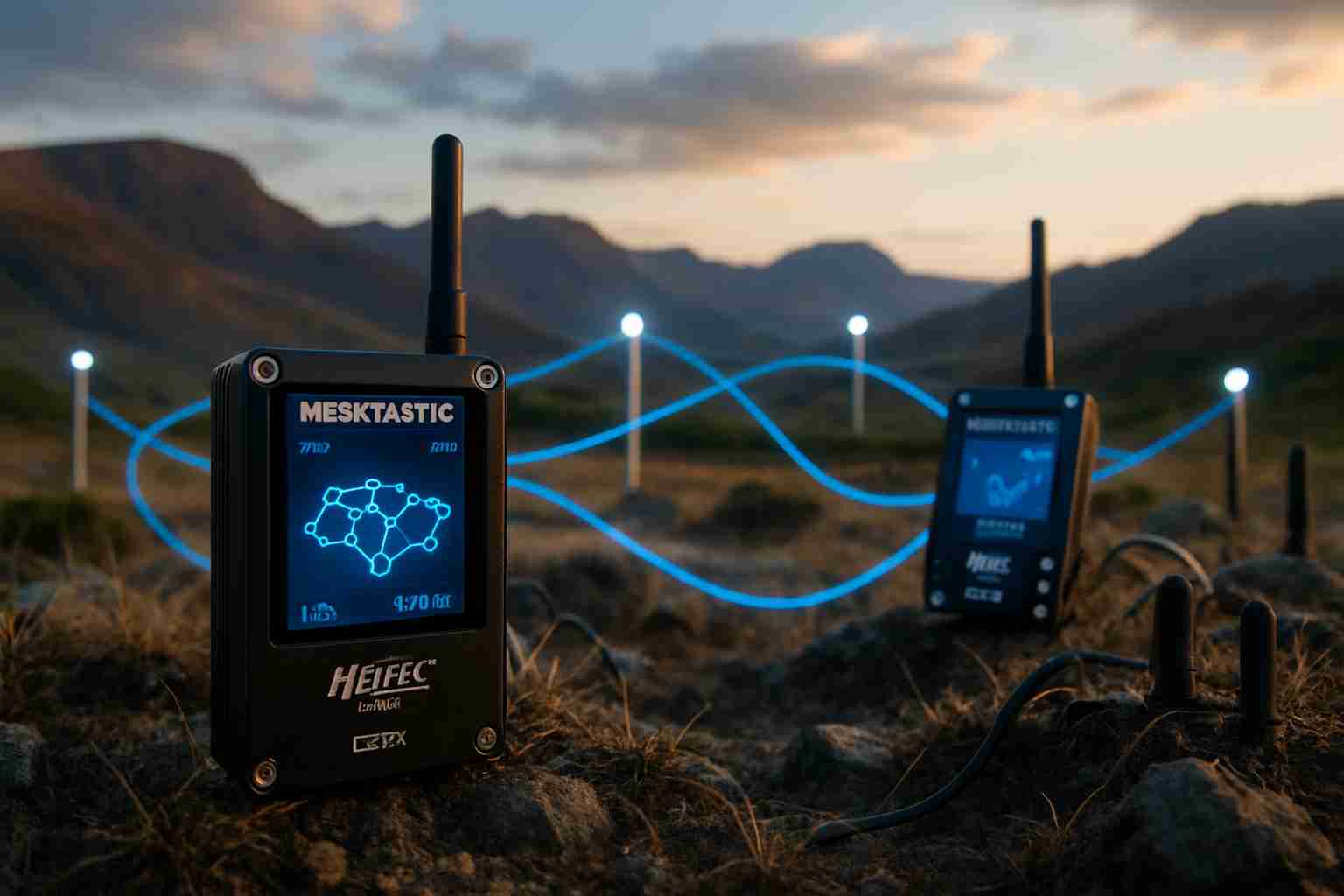
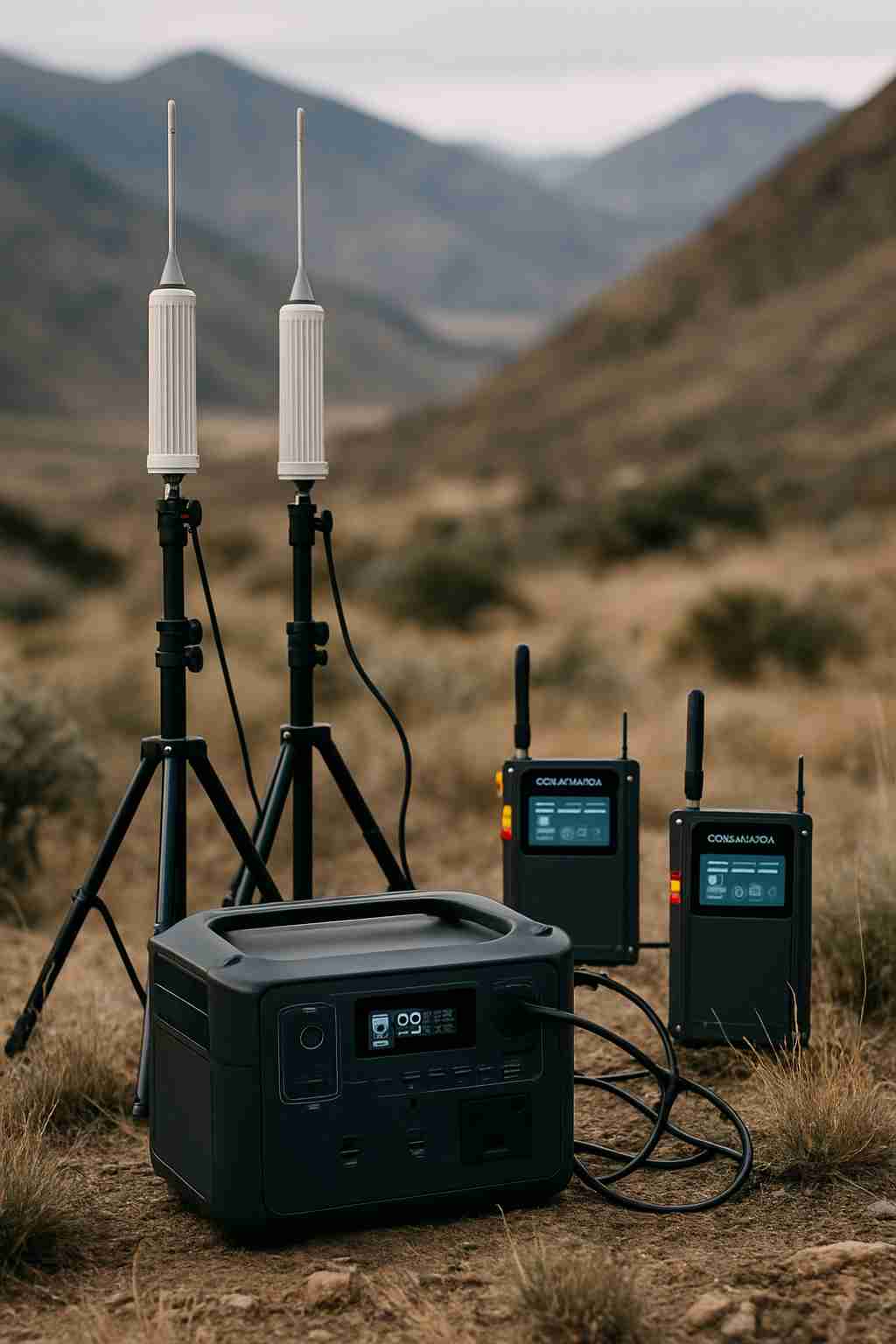
The LoRaWAN framework includes essential components aimed at flawless operation: gateways, network servers, and end nodes. Acting as intermediaries, gateways relay information from IoT devices to central servers where data is handled and processed. This distributed setup provides ease in scaling and flexibility, making it a fit for diverse industries such as agriculture and manufacturing.
Among its standout attributes, LoRaWAN excels in delivering communication coverage across expansive regions, effectively overcoming challenges like limited agricultural IoT network. Utilizing LoRa technology, it perfectly aligns with precision agriculture systems, offering an infrastructure supportive of live data transmission that’s key to monitoring and enhancing resource efficiency. Its minimal power usage guarantees that devices stay operational for years, making it an optimal choice for sectors where trustworthiness and low upkeep are paramount.
Revolutionizing Agriculture with IoT
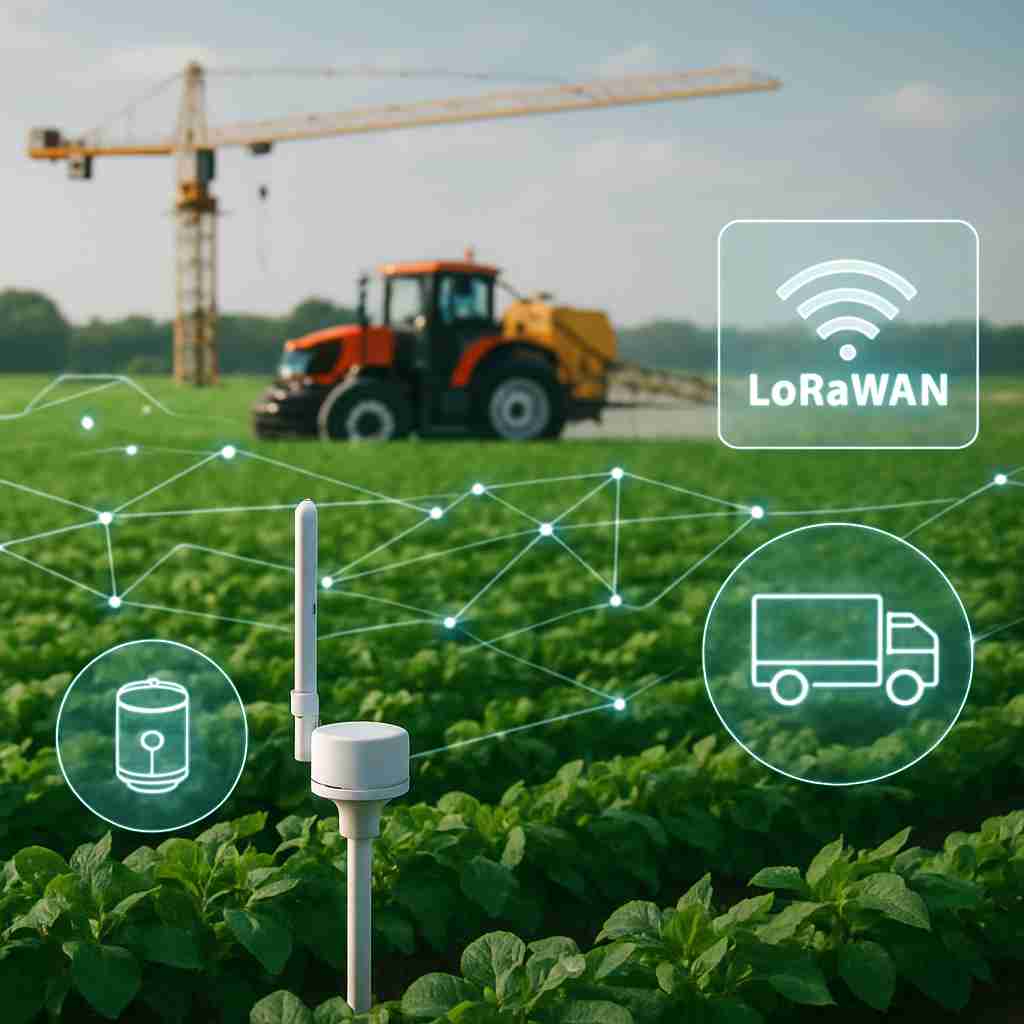
LoRa technology is fundamentally reshaping the interaction between agriculture and the Internet of Things. This network empowers farmers by enabling precise resource monitoring and management, fostering more intelligent farming practices. Sensors can be placed across fields, delivering real-time insights into soil conditions, weather trends, and crop vitality. Such information equips farmers to make well-informed choices, thereby optimizing irrigation and reducing waste. Furthermore, it boosts crop productivity by adapting interventions to the specific needs of different field zones.
The role of real-time analytics, driven by LoRa technology, is essential in this context. These analytics transform raw inputs into practical knowledge, supporting resource conservation and enhanced output. For instance, vineyards using smart irrigation solutions can cut water consumption by 20%, illustrating the clear advantages of IoT in agriculture. Similarly, a potato farm employing automated pest control systems enjoys healthier plants and better yields. By integrating these IoT sensors into their workflows, farms not only improve efficiency but also achieve notable cost reductions in today’s agricultural environment.
Enhancing Industrial Monitoring
The adoption of LoRa technology within industrial environments transforms how monitoring of machinery and processes is conducted. Utilizing IoT sensor connectivity, industries access live equipment tracking, facilitating industrial predictive maintenance that greatly cuts downtime and boosts operational productivity. Sensors efficiently gather and relay vital data on machinery condition, environmental factors, and safety standards, working continuously to ensure seamless operations.
Embedding LoRa technology into industrial IoT systems offers a forward-looking maintenance strategy. Companies can detect potential malfunctions before they turn into expensive failures. With equipment constantly communicating its status, operators are empowered to address minor issues promptly, preventing major interruptions.
This technology is being effectively utilized by sectors such as manufacturing, energy, and logistics. For example, manufacturing plants use sensors to monitor vibrations and temperatures of machines, alerting when service is due. In energy, remote pipeline monitoring safeguards structural health, while logistics firms monitor vehicle conditions to enhance supply chain performance. These LoRaWAN industrial applications not only improve monitoring but also provide a competitive advantage by creating safer, more reliable, and efficient industrial settings.
Tracking Assets with Precision
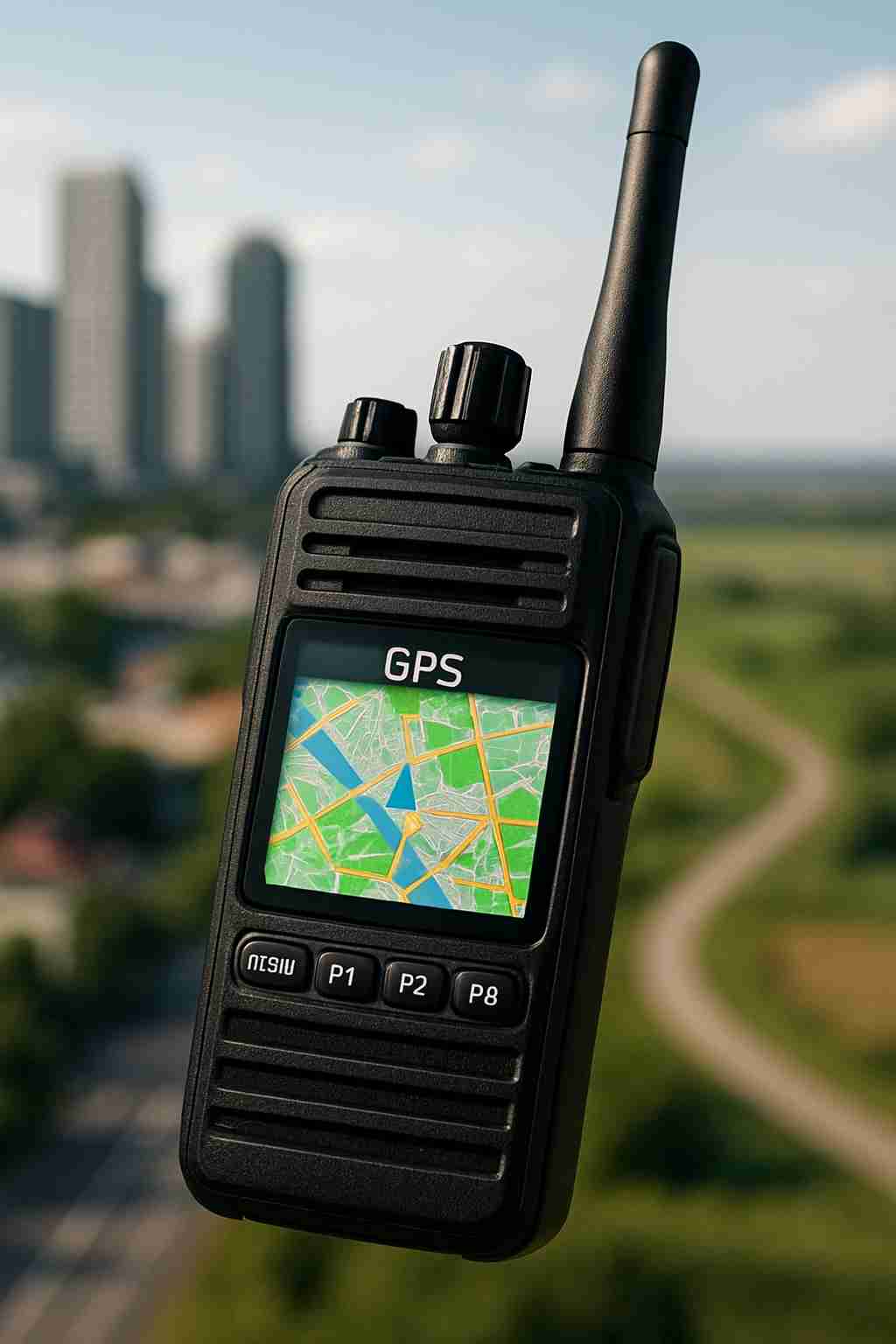
LoRaWAN is revolutionizing property tracking solutions by enabling the monitoring of location and condition of physical assets across great distances while using minimal power. By leveraging LoRa technology, companies can gather accurate up-to-the-minute telematics insights that boost the efficiency of telematics systems, transforming logistics and asset utilization. Without incurring the high expenses linked to conventional tracking approaches, this technology allows businesses to monitor assets over extensive areas—from remote IoT infrastructure for rural areas to expansive industrial facilities.
Furthermore, the integration of advanced telematics analytics empowers organizations to tap into instant telematics metrics, providing valuable knowledge about asset deployment trends and operational conditions. This information enables the optimization of routes, a reduction in fuel consumption, and ultimately, a rise in productivity levels. Its influence on supply chain management is significant, as it facilitates exact inventory tracking and minimizes losses during transportation.
Moreover, LoRaWAN’s low-power consumption aligns seamlessly with the growing emphasis on sustainable solutions. As industries strive to lower their environmental impacts, adopting LoRa technology for asset management fits perfectly within eco-friendly supply chain solutions, concurrently advancing efficiency in supply chain operations.
The Future of IoT Connectivity
Significant progress lies ahead for IoT connectivity, driven by the expansion of LoRaWAN deployments in evolving technological environments. The growing implementation of low-power wide-area networks (LPWAN technologies) aligns perfectly with the rising integration of IoT across varied industries, signaling a major transformation. With industries becoming increasingly interconnected, LoRa technology offers a critical edge due to its power-optimized IoT systems and wide operational reach, especially vital for remote IoT infrastructure and budget-conscious projects.
Current developments indicate a seamless fusion of IoT solutions with cloud-based IoT integration and artificial intelligence, fostering intelligent urban centers, precision agriculture systems, and industrial automation frameworks. The drive toward global partnerships and universal standards in IoT will expedite breakthroughs, guaranteeing device compatibility and security.
Nonetheless, expanding these innovations will encounter obstacles such as Internet of Things cybersecurity issues, privacy concerns, and the need for infrastructure funding. Industry-wide cooperation to establish strong security protocols and affordable network platforms is essential. Progress in autonomous energy IoT solutions and battery technology will further boost the sustainability and effectiveness of IoT ecosystems. The future vision for LoRa technology anticipates an adaptive, interconnected smart network infrastructure that bridges the digital gap, shaping intelligent networks that grow and respond to societal demands.
Conclusions
By providing scalable, low-energy large-scale network solutions essential for intelligent agricultural solutions, industrial Internet of Things surveillance, and asset management systems, LoRaWAN leads the way in IoT connectivity. Industries that integrate this technology are tapping into remarkable levels of efficiency and innovation. Promising considerable shifts in how technology addresses real-world problems, ongoing developments and partnerships in this field continue to drive progress.